

Renovating Before You Move In vs. After: What's Smarter for New Homeowners?
You just got the keys to your new home. The boxes are stacked, the moving truck is booked, and your head is already spinning with ideas for paint colours, new flooring, and that kitchen you’ve been sketching on napkins for months. But before you tear open a single box or pick up a roller, there’s a question worth pausing on: should you renovate before you actually move in, or settle in first and tackle projects once you’ve lived there a while?
It’s not a simple either-or decision. The right answer depends on the scope of your projects, your budget, how flexible your moving timeline is, and — honestly — how much chaos you’re willing to tolerate in those first few weeks of homeownership. This guide walks through the practical advantages and drawbacks of both approaches so you can make a decision that fits your situation, not someone else’s.
Why So Many Homeowners Renovate Before Moving In
There’s a reason the “renovate first, move second” approach is popular. An empty house is a contractor’s dream. No furniture to protect, no family schedules to work around, no pets underfoot, and no need to tiptoe through someone’s living room at 7 a.m. with a ladder.
The biggest practical advantage is access. When rooms are completely empty, painters can work faster and more efficiently. There are no couches to shift, no art to take down, no bookshelves to cover in drop cloths. Flooring installers don’t have to work around a dining table. Electricians can pull cable through walls without worrying about bumping into your grandmother’s china cabinet. This kind of unrestricted access typically translates into shorter project timelines and, in many cases, lower labour costs because crews aren’t spending billable hours moving and protecting your belongings.
Dust and fumes are the other major factors. Sanding drywall, refinishing hardwood, and applying fresh paint all generate airborne particles and odours that aren’t pleasant to live around. With interior painting, even low-VOC products require adequate ventilation and drying time. If you’re not living in the space, you can close the door and let the work happen without disrupting your daily routine. For families with young children, elderly members, or anyone with respiratory sensitivities, this can be a deciding factor all on its own.
There’s also a psychological benefit that’s easy to underestimate. Moving into a home that already feels finished — walls freshly painted in colours you chose, floors gleaming, kitchen hardware updated — gives you a sense of arrival. You’re not camping in a construction zone. You’re settling into a space that already reflects your taste. That emotional payoff matters, especially if you’ve been through a stressful home purchase.
The Case for Waiting Until After You Move In
On the other side of the argument, there’s a compelling reason to hold off: you don’t actually know the house yet. Floor plans and open house walkthroughs can only tell you so much. It’s not until you’ve lived in a space — cooked in the kitchen, slept through a rainy night, noticed where the morning light hits — that you truly understand how each room functions in your daily life.
Many homeowners who rush into renovations before moving in later admit they would have made different choices with a few months of experience. That spare bedroom you were sure would become a home office? Turns out it’s perfect as a guest room because it’s the quietest spot in the house. The bold accent wall you planned for the living room? After a month of watching how the afternoon sun washes across that wall, you realize a softer tone would work better. Living in the space first gives you data that no Pinterest board can replicate.
Budget management is another strong argument for the wait-and-see approach. Buying a home involves high upfront costs — down payment, closing fees, legal costs, moving expenses, and immediate necessities like appliances or window coverings. Layering a renovation budget on top of all that can stretch new homeowners dangerously thin. Waiting a few months lets you rebuild your financial cushion, understand your actual monthly carrying costs, and prioritize renovations based on real needs rather than assumptions made during the excitement of the purchase.

Projects That Almost Always Make Sense Before Moving In
Certain types of work are dramatically easier to complete in an empty home. If any of these are on your list, there’s a strong case for tackling them before the furniture arrives.
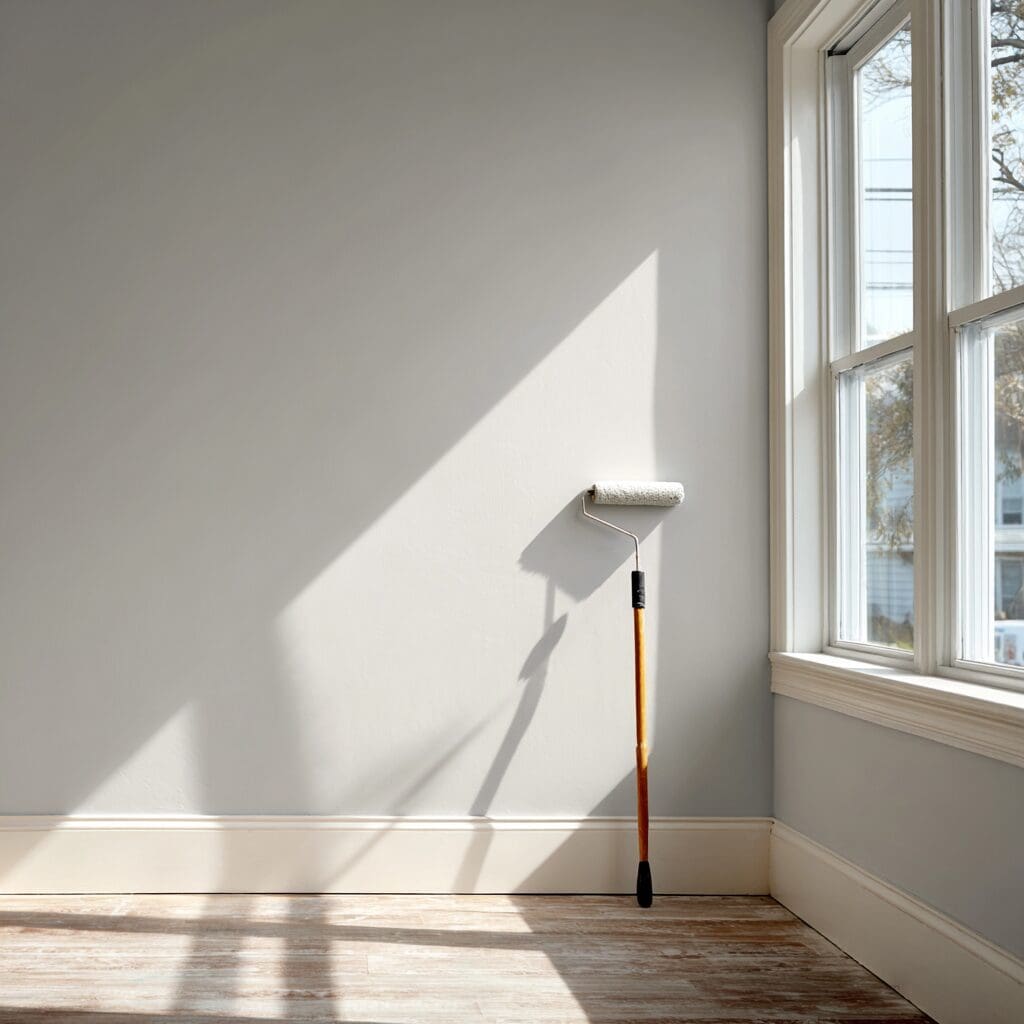
Full interior painting: is the most common pre-move project, and for good reason. Painting empty rooms is roughly 30-40% faster than painting furnished ones. There’s no masking around furniture, no risk of drips on your sofa, and painters can set up efficiently without having to navigate around your life. If you’re planning to repaint most or all of the interior — especially if you’re changing from dark to light colours, which typically requires extra coats — doing it before move-in is almost always the smarter play.
Flooring replacement or refinishing: is another project that benefits enormously from an empty house. Hardwood refinishing generates significant dust and requires 24 to 48 hours of curing time before furniture can be placed. New tile, laminate, or vinyl installation requires clear rooms from wall to wall. Trying to do this after you’ve moved in means shuffling furniture from room to room, living out of stacked boxes for days, and generally adding stress to an already disruptive process.
Major kitchen and bathroom renovations: also belong in the “do it first” category when possible. These projects involve plumbing, electrical, and potentially structural work, and extended periods where the room is completely non-functional. Living without a working kitchen for three weeks is unpleasant. Living without a working kitchen for three weeks while also trying to unpack and settle into a new home is genuinely miserable. If a kitchen or bathroom gut renovation is part of your plan, completing it before move-in saves you from a lot of creative microwave dinners and trips to the neighbours for a shower.
Projects That Can Comfortably Wait
Not everything needs to happen on day one. Some projects are perfectly suited to the “live in it first” approach, either because they’re less disruptive, benefit from experience living in the space, or simply aren’t urgent.
- Exterior painting is a great example. Unless your new home's exterior is actively peeling or the previous paint job is failing and exposing the substrate to moisture damage, exterior work can wait until you've settled in. It's weather-dependent, regardless, so timing it around the right season matters more than timing it around your move. In British Columbia, most exterior painting happens between late spring and early fall when conditions allow for proper adhesion and curing. Planning exterior work for the optimal weather window, rather than rushing it to coincide with your move, usually produces better results.
- Cosmetic updates to individual rooms — an accent wall in the bedroom, updated paint in the basement, refreshed trim in the hallway — are projects that actually benefit from patience. Once you've lived with the existing finishes for a while, you'll have a much clearer sense of what's bothering you versus what you can live with. That odd green in the guest bathroom might grow on you. Or it might drive you steadily crazier until you finally call a painter. Either way, you'll know for sure rather than guessing.
How to Decide: A Practical Framework
Rather than defaulting to one approach entirely, most new homeowners benefit from a hybrid strategy. The key is sorting your renovation list into three categories based on urgency, disruption level, and how much you’ll benefit from living in the home first.
Category 1: Safety and functionality: Anything that affects the safety or basic livability of the home should be addressed before or immediately after move-in. This includes faulty electrical, plumbing leaks, mould remediation, broken windows, non-functional heating or cooling, and structural concerns. These aren’t negotiable and shouldn’t be postponed regardless of budget pressure.
Category 2: High-disruption projects: These are dramatically easier in an empty home. Full interior painting, flooring, and major kitchen or bathroom renovations fall here. If these are part of your plan and your timeline allows for it, completing them before the moving truck arrives will save you time, money, and frustration.
Category 3: Everything else: The projects that are cosmetic, seasonal, or benefit from a living-in-first experience. Accent walls, exterior painting and staining, individual room refreshes, landscaping, and decorative updates all fit comfortably in a 3-to-12-month post-move timeline. Plan for them, budget for them, but don’t let them hold up your move.
Managing the Budget Across Both Phases
One of the most practical benefits of splitting your renovation plan into pre-move and post-move phases is cash flow management. Rather than writing a single enormous cheque before you’ve even spent a night in the house, a phased approach lets you spread costs across several months.
Start by getting detailed quotes for your must-do-first projects well before your possession date. This gives you accurate numbers to work with rather than rough guesstimates. Knowing the real cost of painting the entire interior, for example, lets you adjust other parts of your moving budget accordingly. It also eliminates the nasty surprise of discovering halfway through that you’ve underbudgeted.
For the post-move projects, set up a dedicated savings category and contribute to it monthly. Even modest amounts add up quickly when you’re working toward a specific project. This approach has the added benefit of giving you time to get multiple quotes, research products, and make decisions without financial pressure, forcing you into shortcuts.
Financial Tip
Be cautious about financing renovations through lines of credit or credit cards during the first year of homeownership. Your mortgage payments, property taxes, insurance, and utility costs may be higher than you anticipated, and carrying additional debt on top of that can create real stress. If you can phase your renovations to align with your actual cash flow, you’ll sleep better and make better decisions.
Getting the Timing Right With Contractors
Whether you’re renovating before or after your move, the relationship with your contractor is the single biggest variable in how the experience feels. A skilled, communicative, and organized team makes renovation feel manageable. A disorganized or unresponsive one makes it feel like chaos — regardless of when the work happens.
Start the conversation with potential contractors as early as possible. If you’re planning pre-move work, reaching out four to six weeks before your possession date gives you time to get quotes, check references, and book the work without last-minute pressure. Many homeowners underestimate how quickly good contractors’ schedules fill, particularly during the spring and summer months.
When evaluating contractors for any project, pay attention to how the quoting process goes. Is the estimate detailed and transparent, or vague and rounded? Does the contractor explain the scope of work clearly, including preparation, materials, and timeline? Do they follow up when they say they will? These early interactions tell you a lot about what the actual project experience will be like.

The Bottom Line
There’s no universally right answer to the ‘renovate before or after’ question. The smart approach is project-specific, not one-size-fits-all. Prioritize safety fixes and high-disruption projects, such as full interior painting and flooring, during the pre-move window when the house is empty and accessible. Save cosmetic updates, seasonal exterior work, and experience-dependent decisions for after you’ve had a chance to actually live in your new home.
The one thing that applies regardless of timing is this: don’t rush the decisions that matter most. Whether you’re choosing a paint colour or choosing a contractor, taking a little extra time upfront almost always saves you money, frustration, and regret down the road. Your new home is worth getting it right.
Frequently Asked Questions
How far in advance should I book a contractor for pre-move renovations?
Four to six weeks before your possession date is a reasonable minimum for most residential projects. For larger renovations like kitchen or bathroom remodels, you may need two to three months of lead time, especially during peak season in spring and summer.
Is it cheaper to paint before or after moving in?
Painting an empty home is typically faster, which can reduce labour costs. You also eliminate the risk of damage to furniture and belongings. While the per-litre cost of paint stays the same either way, the overall project cost for a full interior repaint is generally lower in an empty home due to improved efficiency.
What renovations add the most value to a new home?
Interior painting consistently offers one of the highest returns relative to cost. Kitchen and bathroom updates, flooring replacement, and exterior painting also tend to improve both livability and resale value. Focus first on projects that address both your daily enjoyment and long-term home value.
Can I live in my home during a renovation?
For smaller projects like painting a single room or updating fixtures, living in the home is perfectly manageable. For larger projects involving plumbing, electrical, or extensive dust and debris, arranging temporary accommodations — even just for a few days — makes the experience significantly more comfortable and allows the work to proceed faster.
What should I prioritize if my renovation budget is limited?
Focus on safety items first, then high-impact visual upgrades like fresh paint and clean flooring. These changes transform the feel of a home without major structural investment. Defer larger projects until your budget allows you to do them properly rather than cutting corners to fit everything in at once.