
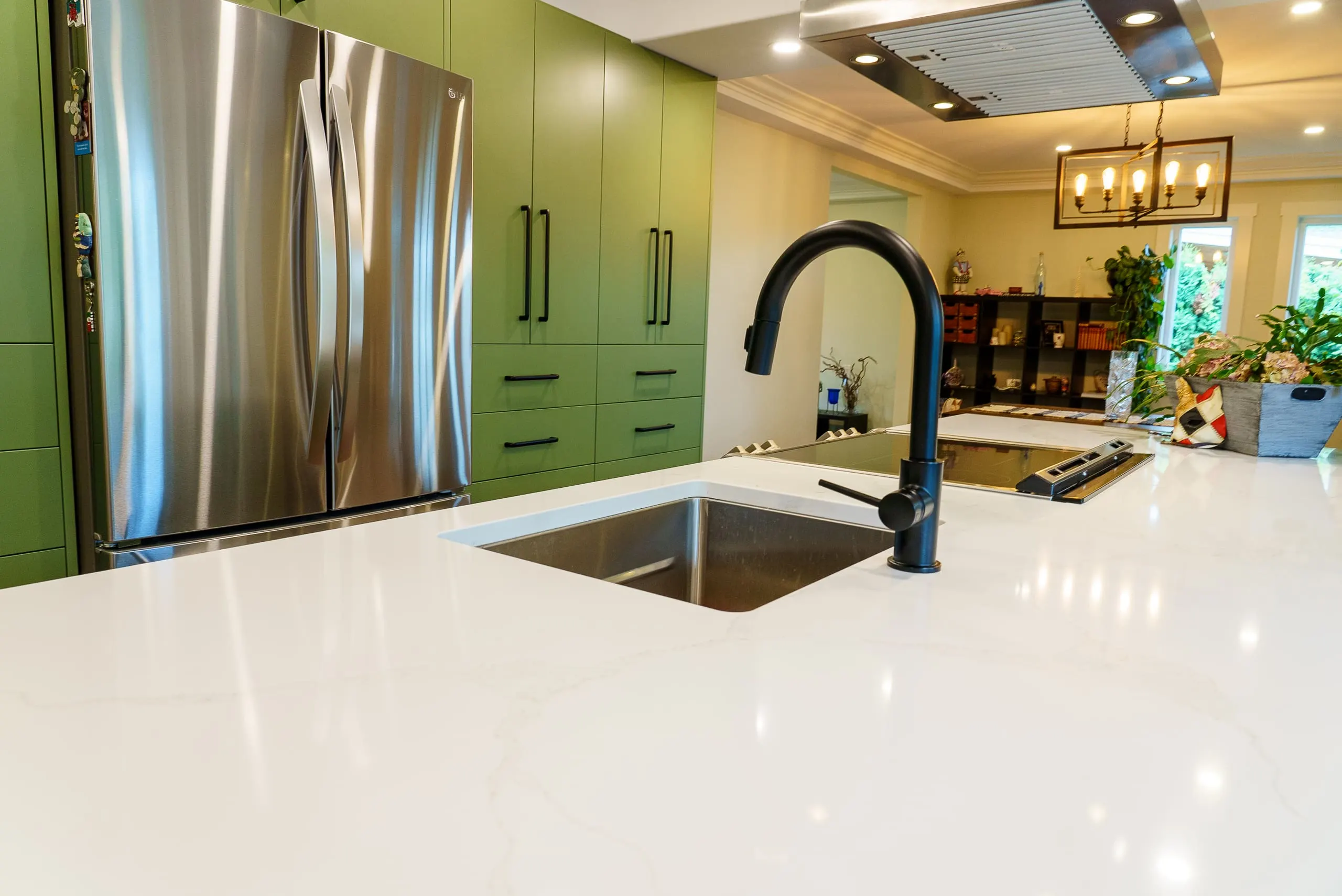
A kitchen that fits how you live.
The room where you cook, sit, and have people over, planned around your routines rather than a magazine layout.
Kitchen renovations
Invest in the Home You Live In
If your house is your principal residence, the gain when you sell is generally exempt from capital gains tax. That makes it one of the few places to put money in Canada where a gain is generally yours to keep, and you get to live in it. Kitchen, bathroom, and whole-home renovations in Chilliwack, Abbotsford, and the Fraser Valley.
General information, not tax advice. Talk to your accountant. Every call returned within 6 business hours.
Accredited & Certified




Sell a rental, a cottage, or investments held outside a registered account at a profit, and the gain is generally taxed. Sell the home you live in, and the gain is generally exempt under the CRA principal residence exemption. There is no contribution limit and no dollar cap on the exempt gain.
So money put into the home you live in sits in an asset whose growth is generally not taxed when you sell, and you enjoy the result every day. The tradeoff is honest: the invoice is not a deduction, and we cannot promise what a renovation adds to resale value. A rental, a second home, or a house you buy, renovate, and sell quickly is a different question. This page is for people who intend to stay.
Talk to your accountant or tax advisor about how these rules apply to you. We renovate homes in Chilliwack, Abbotsford, Agassiz, and across the Fraser Valley. We do not give tax advice.
How the Exemption Works
If the home was your principal residence for every year you owned it, you generally do not pay tax on the gain. A “plus one” rule can cover the year you sell one home and buy another. The details live in the CRA’s principal residence folio.
You own it (alone or with someone else), and you, your spouse or common-law partner, or your child ordinarily inhabited it during the year.
After 1981, a family unit (you, your spouse or partner, and children under 18) designates one property as a principal residence for a given year.
Since 2016 you report the sale and designate the home on Schedule 3 and Form T2091. A late designation can bring a penalty.
Sources: CRA, principal residence and Income Tax Folio S1-F3-C2.
Benefits
You get the return twice: the years you spend in the rooms now, and a gain on the home that is generally exempt later. Hannah, our BCIT-certified designer, plans the rooms with you. The same crew builds them.
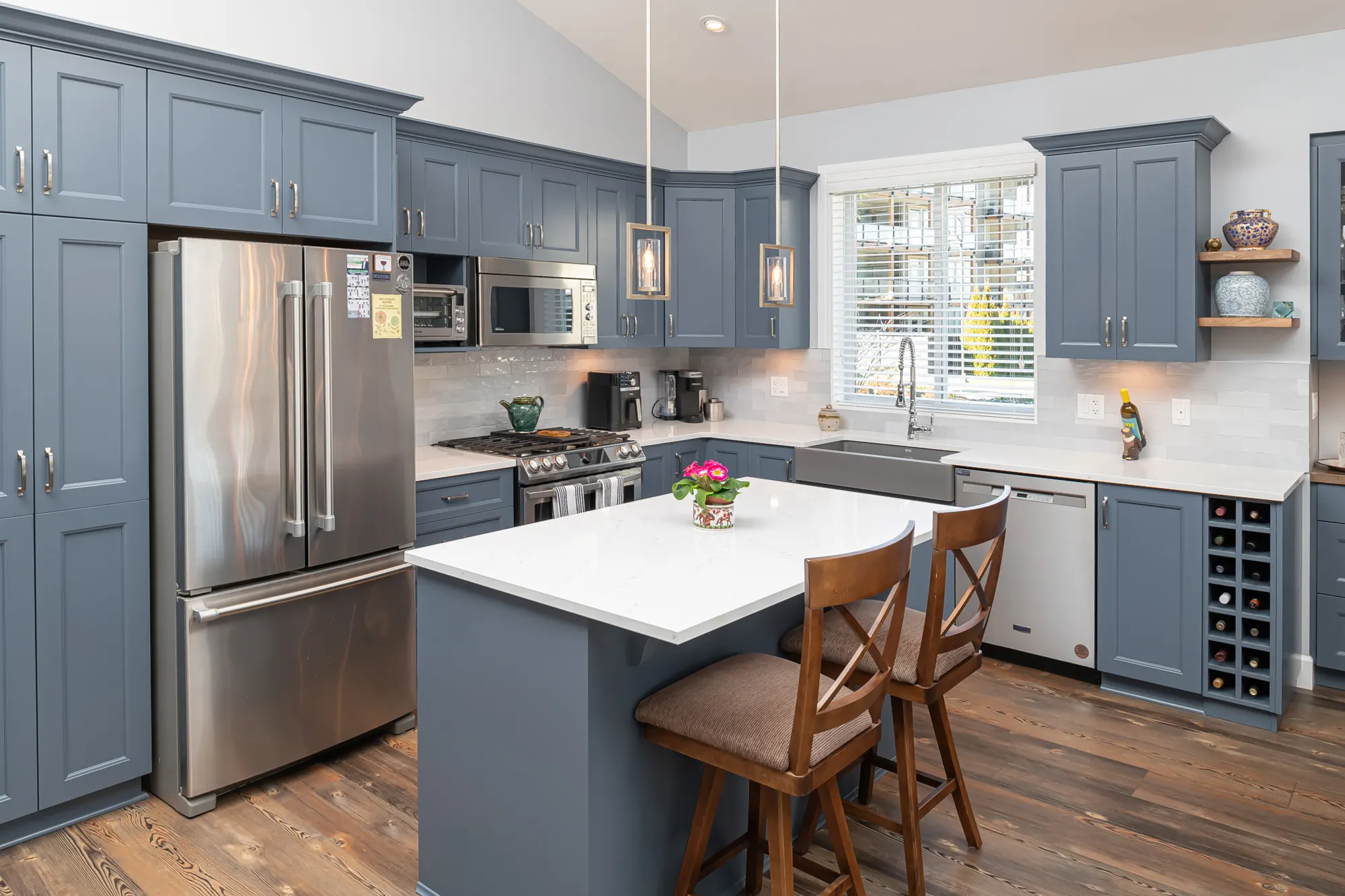
The room where you cook, sit, and have people over, planned around your routines rather than a magazine layout.
Kitchen renovations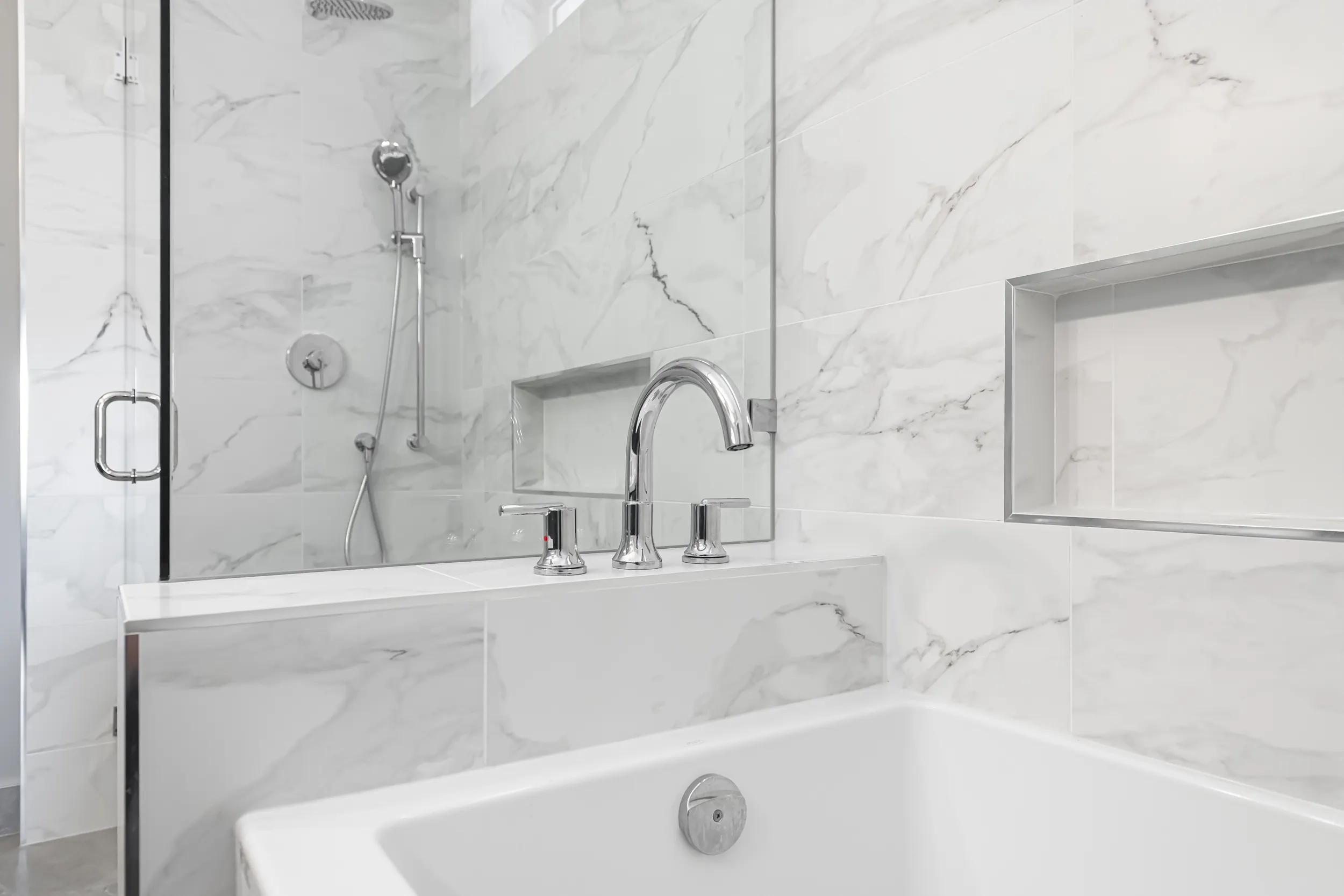
Walk-in showers, lever taps, grab bars, and a floor with sure footing, designed so guests notice the room, not the supports.
Bathroom renovations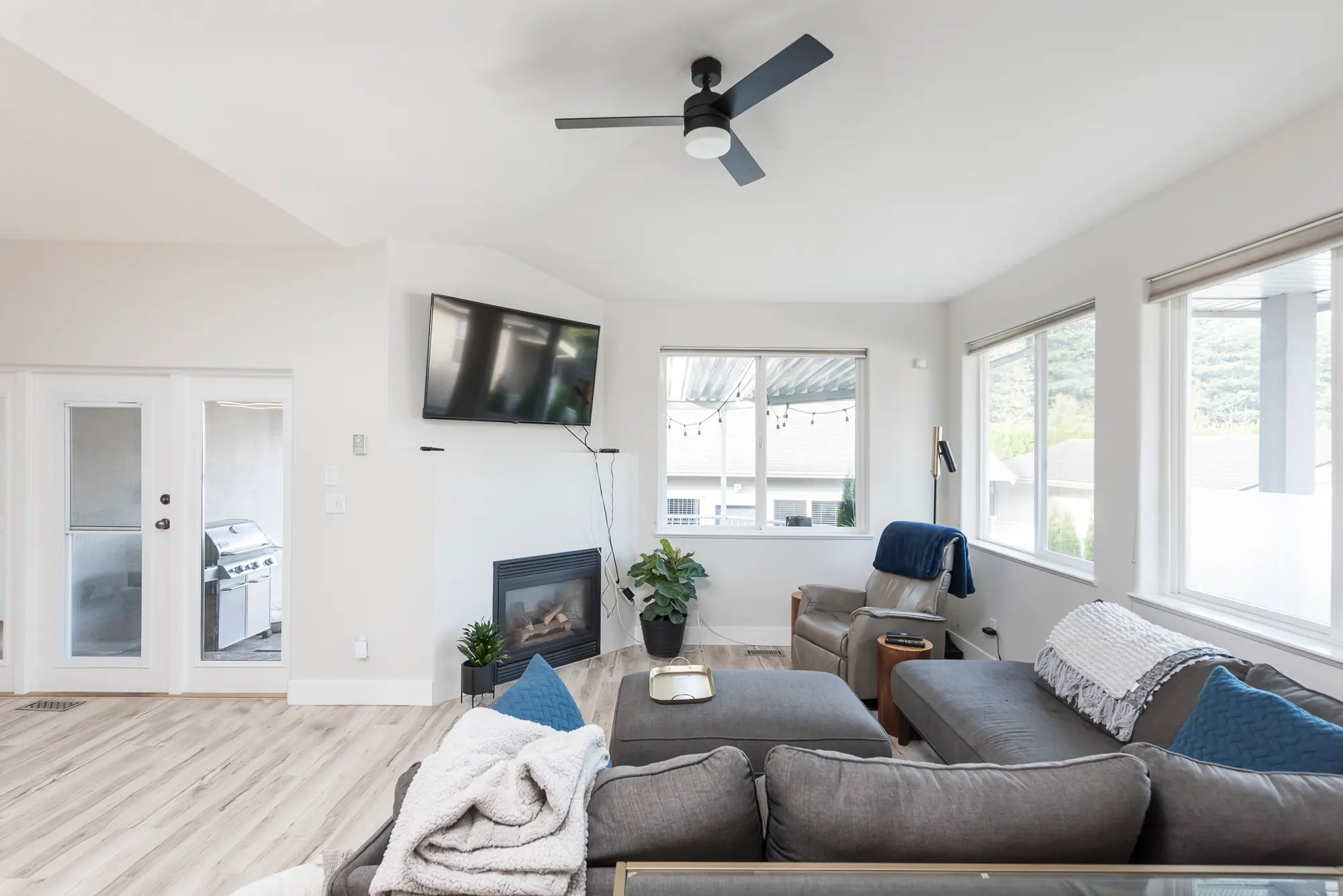
In the Fraser Valley right now, a careful refresh is the work homeowners live with. We do not promise what a future buyer will pay.
Interior painting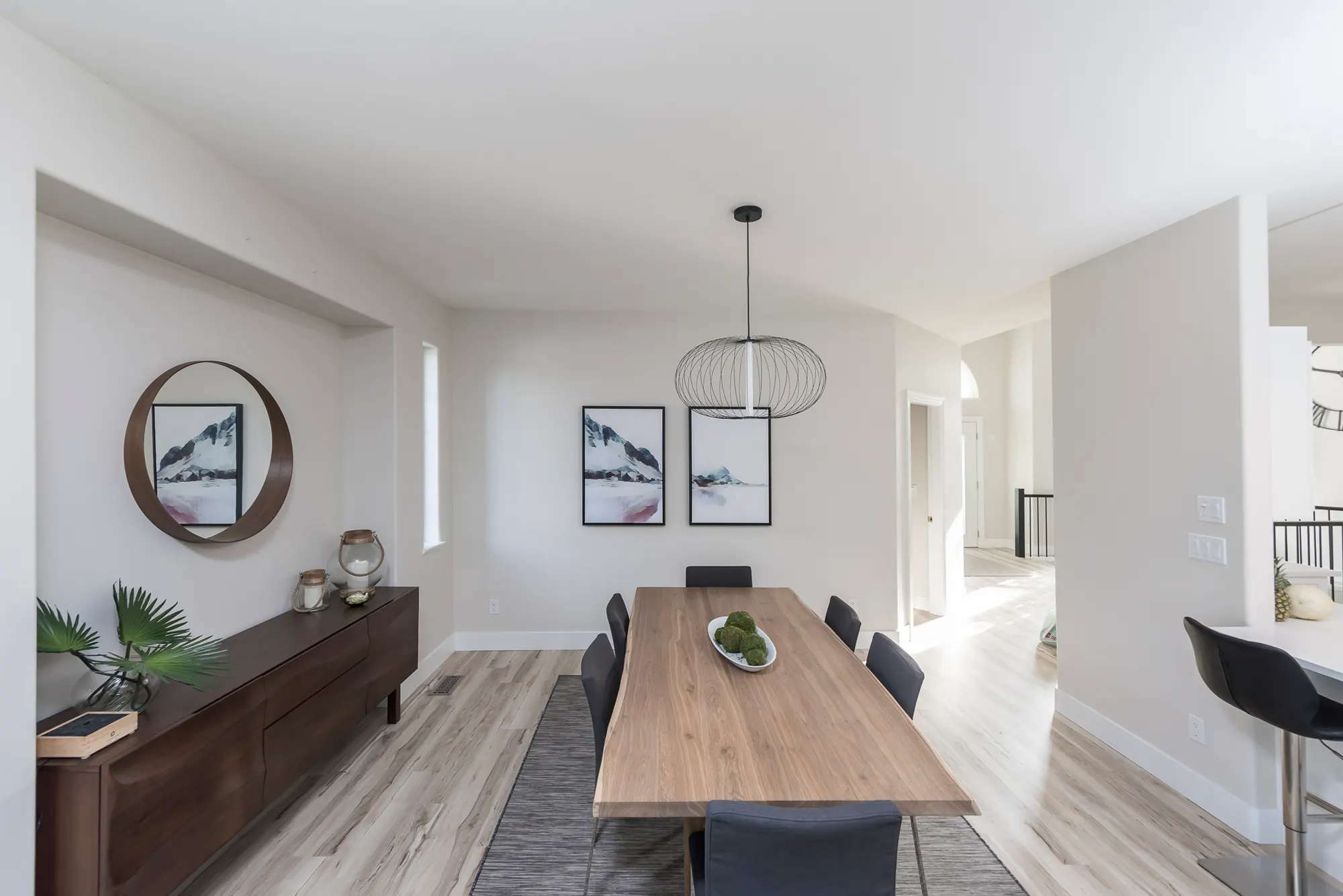
A wider doorway, better light, or a self-contained suite so someone you love can live here too. Whole-home work is sequenced so the house comes back together as one.
Whole-home renovationsAccessibility work is a specialty of ours. See adaptive renovations, including support with the separate BC Housing RAHA rebate. RAHA is a housing rebate, not one of the tax credits below.
Credits That Can Apply
Some renovations qualify for tax credits, such as accessibility upgrades for seniors and persons with disabilities (the federal Home Accessibility Tax Credit and the BC home renovation tax credit) or a secondary suite for a qualifying family member (the Multigenerational Home Renovation Tax Credit). Amounts below are program maximums. You only receive a credit on eligible expenses, and only if you qualify.
The federal Home Accessibility Tax Credit (line 31285) is a non-refundable credit on up to $20,000 of eligible expenses in a year, for a person who is 65 or older at year-end or eligible for the disability tax credit, on a renovation that improves access or reduces the risk of injury in a home they ordinarily inhabit.
A walk-in shower, grab bars, and similar lasting changes are the kind of work this credit describes. Work done mainly to increase the home’s value does not qualify, and neither do routine repairs. If a relative does the work, they have to be registered for GST/HST.
CRA: home accessibility expensesBritish Columbia’s home renovation tax credit for seniors and persons with disabilities is a refundable credit of 10% of qualifying expenses, on up to $10,000 of expenses in a year (a maximum credit of $1,000), for a BC resident who is 65 or older, a person with a disability, or a family member living with them, on a principal residence.
The work has to improve access, mobility, or safety. Its main purpose cannot be to increase the value of the home. If a family member does the work, the receipt needs a GST/HST number. A refundable credit can be paid out when it is larger than the tax you owe.
BC: seniors and disability renovation creditThe federal Multigenerational Home Renovation Tax Credit (line 45355) is a refundable credit of 14.5% of qualifying expenses, on up to $50,000 of expenses (a maximum credit of $7,250), for a renovation that creates a self-contained secondary unit so a senior, or an adult eligible for the disability tax credit, can live with a qualifying relative.
You claim it in the year the renovation is completed. People sometimes call this a $7,500 credit. The CRA maximum is $7,250. It is not a credit for a new kitchen.
CRA: multigenerational home renovation tax creditTalk to your accountant about whether any of these fit your household. We will give you itemized invoices to keep for your records.
Before You Count on It
These limits matter if a sale is coming soon. The notes below are for homeowners who want the exceptions in the open, before they spend.
From January 1, 2023, a gain on a Canadian housing unit owned for fewer than 365 consecutive days is treated as business income, and the principal residence exemption is not available, unless the sale happened because of a listed life event (such as a death, a separation of at least 90 days, a serious illness or disability, or an eligible relocation). Even after 365 days, profit can still be treated as business income if the home was bought to renovate and resell.
The BC home flipping tax is separate from the federal rule. It can apply to profit on BC residential property owned for less than 730 days, when the disposition is on or after January 1, 2025. The rate is 20% when the property was owned for fewer than 366 days, and it declines to zero at 730 days. A primary residence deduction of up to $20,000 may apply if you owned the home for at least 365 consecutive days and lived in it as your primary residence. That deduction is not the federal exemption. Some exemptions apply only if you file a BC home flipping tax return.
Using part of the home to earn income can mean splitting the eventual gain. The CRA may still treat the whole property as a principal residence when the income use is ancillary, there is no structural change, and no capital cost allowance is claimed. A new suite is often a structural change. Changing the home from personal use to rental, or the reverse, has its own rules.
A substantial renovation generally means 90% or more of the existing interior, not counting additions, is removed or replaced. Renovating your own home to keep living in it generally does not make you a builder for GST. Substantially renovating and then selling, or never really living there, can. Ask before a project on that scale.
Sources: CRA flipping rule, BC home flipping tax, Folio S1-F3-C2, CRA B-092, substantial renovations, and GI-004, sales of owner-occupied homes.
Your Records
We’ll give you itemized invoices to keep for your records. Capital improvements can be added to the adjusted cost base of the home. Routine repairs cannot. That cost base rarely changes the outcome when the gain is fully exempt, and it matters when it is not. Either way, the paper belongs in your file.
Your written quote is itemized in plain language and protected by our Final Quote Guarantee. If the project runs past that number, we cover the difference. The quote is a price for the work. It is not a prediction about tax.
Or call (604) 847-0994 (toll-free 1-866-9-MASTER).
Good Questions
It can be a sound use of money if you plan to stay. If the home is your principal residence, the gain when you sell is generally exempt from capital gains tax, which is not true of a rental, a cottage, or investments held outside a registered account. Two honest limits: the renovation cost is not a tax deduction, and a renovation does not always add its cost to the sale price. The exemption also depends on meeting the CRA rules. This is not tax advice, so confirm how it applies to you with an accountant.
No. Renovations to a home you live in are not a deduction on your Canadian tax return. Some accessibility work can qualify for the federal Home Accessibility Tax Credit or the BC home renovation tax credit for seniors and persons with disabilities, and a secondary suite for a qualifying relative can qualify for the Multigenerational Home Renovation Tax Credit. A typical kitchen or cosmetic update does not. The credits are described on this page. Confirm your own eligibility with an accountant.
If the home was solely your principal residence for every year you owned it, you generally do not pay tax on the capital gain when you sell. The renovation does not create that result. Meeting the Canada Revenue Agency principal residence rules does. You still report the sale and designate the home. The exemption can be reduced or unavailable if you owned the home for fewer than 365 days, rented part of it, or your family designated a different property for some years. This is not tax advice.
British Columbia has a home renovation tax credit for seniors and persons with disabilities. It is a refundable credit of 10% of qualifying expenses, on up to $10,000 of expenses in a year, so the maximum credit is $1,000. You have to be a BC resident and either 65 or older, a person with a disability, or a family member living with them. The work has to be on your principal residence, and its main purpose cannot be to increase the home’s value. A regular kitchen renovation does not qualify.
People often mean the federal Multigenerational Home Renovation Tax Credit. It is a refundable credit of 14.5% of qualifying expenses, on up to $50,000, so the maximum is $7,250, not $7,500. It applies when a renovation creates a self-contained secondary unit so a senior, or an adult eligible for the disability tax credit, can live with a qualifying relative. You claim it in the year the renovation is completed. It is not a credit for a new kitchen.
Two different rules can apply, and they are not the same tax. Federally, a gain on a Canadian housing unit owned for fewer than 365 consecutive days is treated as business income, and the principal residence exemption is not available, unless a listed life event applies. In BC, the home flipping tax can apply to profit on residential property owned for less than 730 days, for dispositions on or after January 1, 2025. The rate is 20% when the home was owned for fewer than 366 days, and it declines to zero at 730 days. A primary residence deduction of up to $20,000 may apply if you owned the home for at least 365 consecutive days and lived in it as your primary residence. This page is for people who plan to stay.
Capital improvements, meaning work with a lasting benefit that improves the home beyond its original condition, can be added to the adjusted cost base. Routine repairs and maintenance cannot. The Canada Revenue Agency explains the difference. The cost base changes the tax result only when the gain is not fully exempt, for example if the home was rented for some years or only partly designated. Keep every invoice either way. We provide itemized invoices for that file.
It can. If part of the home earns income, the selling price and the cost base may have to be split between the part you lived in and the part that produced income. The whole home can still be treated as a principal residence when the income use is ancillary, there is no structural change, and you do not claim capital cost allowance. A new suite is often a structural change, so the answer depends on the facts. A suite built so a senior or an adult eligible for the disability tax credit can live with you may relate to the multigenerational credit, which is a different question from renting the suite out. Ask your accountant before you decide.
Let's Get Started
A free in-home consult, a written quote, and itemized invoices for your accountant. We will talk about the renovation. Your accountant is the right person to talk about the tax.