Renovating a bathroom is a rewarding home improvement project that can enhance both the functionality and value of your home.
However, a bathroom renovation can quickly become daunting without a clear plan. This guide will take you through each step of the renovation process, helping homeowners make informed decisions and achieve the bathroom of their dreams.
1. Establish Your Budget
The first step in any renovation project is setting a realistic budget. Determine how much you're willing to spend and allocate funds for each aspect of the renovation, including materials, labour, and unexpected expenses. Research the average costs of bathroom renovations in your area to avoid surprises.
2. Define Your Needs and Priorities
Make a list of must-haves and nice-to-haves for your new bathroom. Consider the primary purpose of the bathroom—whether it's a master ensuite, a family bathroom, or a guest washroom. Prioritize functionality and consider the needs of all household members.
Key Considerations
- Storage Needs: Do you need more cabinets or shelves?
- Fixtures: Will you replace the shower, tub, sink, or toilet?
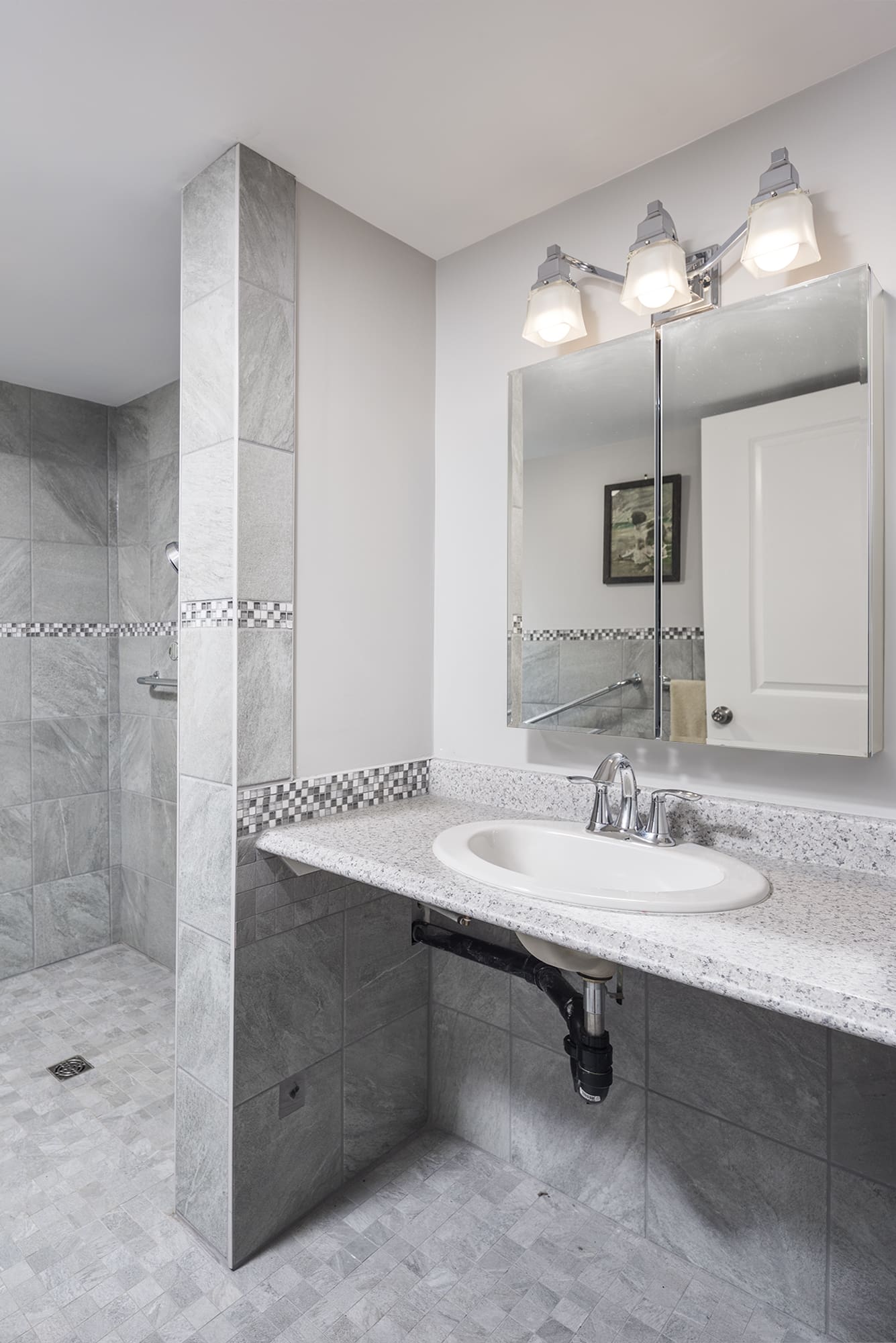
- Accessibility: Are there mobility concerns to address?
3. Plan the Layout
A well-planned layout is crucial for maximizing space and ensuring the bathroom is comfortable to use. You can either stick to the current layout to save on plumbing costs or reconfigure the space if needed.
Common Layout Tips
- Keep Plumbing in Place: This can save money and reduce complexity.
- Ensure Proper Ventilation: A well-ventilated bathroom prevents mould and moisture issues.
- Allow Adequate Space: Maintain enough room for movement, especially around the toilet and sink.
4. Choose Materials and Fixtures
Selecting the right materials and fixtures is essential for both design and durability. To ensure longevity, choose water-resistant materials for flooring, walls, and cabinetry.
Material Selection Tips
- Tiles: Porcelain or ceramic tiles are durable and easy to clean.
- Countertops: Consider quartz or natural stone for durability.
- Fixtures: Opt for water-efficient fixtures to save on utility bills.
5. Hire Professionals or Go DIY?
Decide whether you will handle parts of the renovation yourself or hire professionals. For complex tasks like plumbing, electrical work, or tiling, it's often best to hire certified tradespeople to ensure quality and safety.
Red Seal Certification
When hiring professionals, look for Red Seal-certified tradespeople to ensure they meet national standards of quality and expertise.
6. Obtain Necessary Permits
Depending on the extent of your renovation, you may need permits for plumbing, electrical, or structural changes. Check with your local municipality to ensure compliance with regulations.
7. Prepare for the Renovation
Before work begins, prepare your home by clearing out the bathroom and setting up an alternative bathroom if needed. Protect adjacent areas from dust and debris.
8. Oversee the Renovation Process
Stay involved throughout the renovation process. Communicate regularly with your contractor or, if DIY, follow your plan diligently. Address issues promptly to avoid delays.
9. Final Touches and Clean-Up
Once the renovation is complete, inspect the work thoroughly. Ensure all fixtures work correctly and there are no leaks or issues. Then, add finishing touches like mirrors, decor, and accessories.
Conclusion
A successful bathroom renovation requires careful planning, budgeting, and execution. By following these steps, homeowners can transform their bathrooms into beautiful, functional spaces without unnecessary stress or costs.