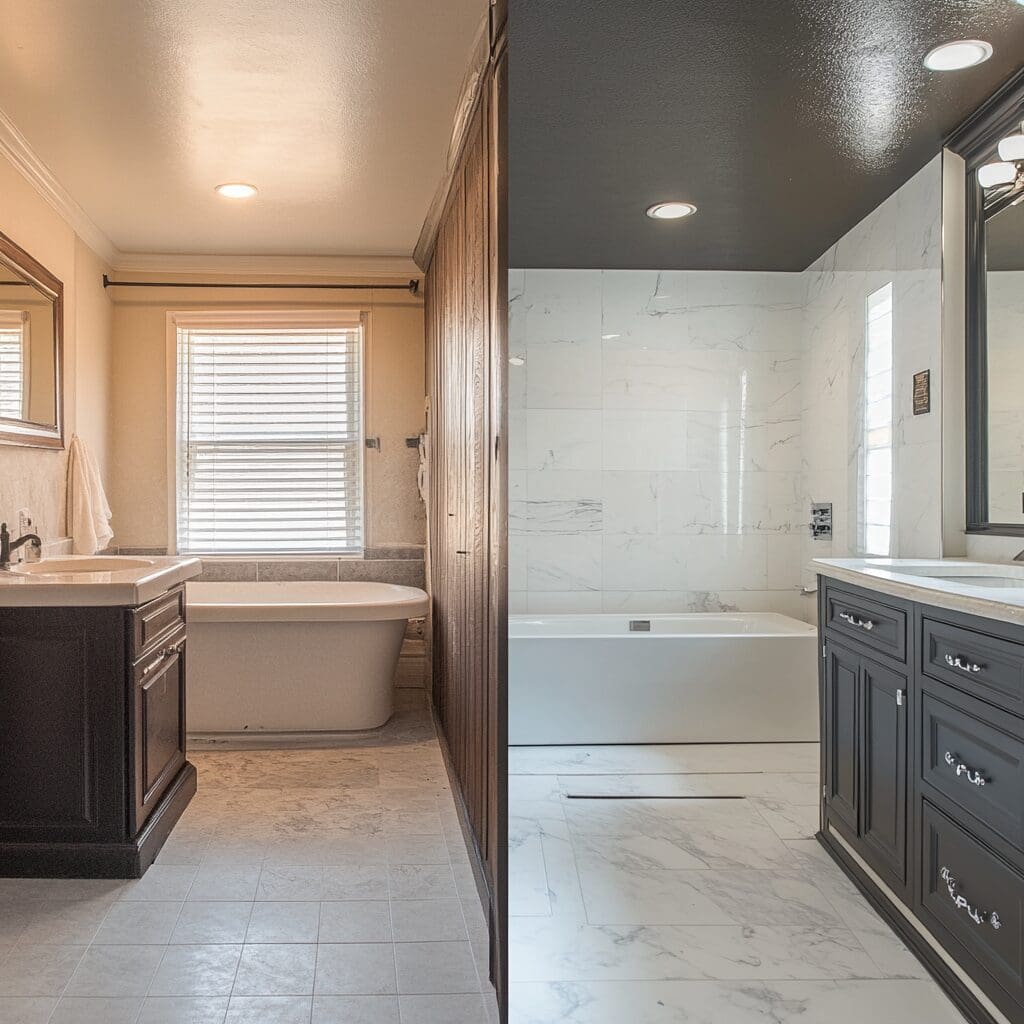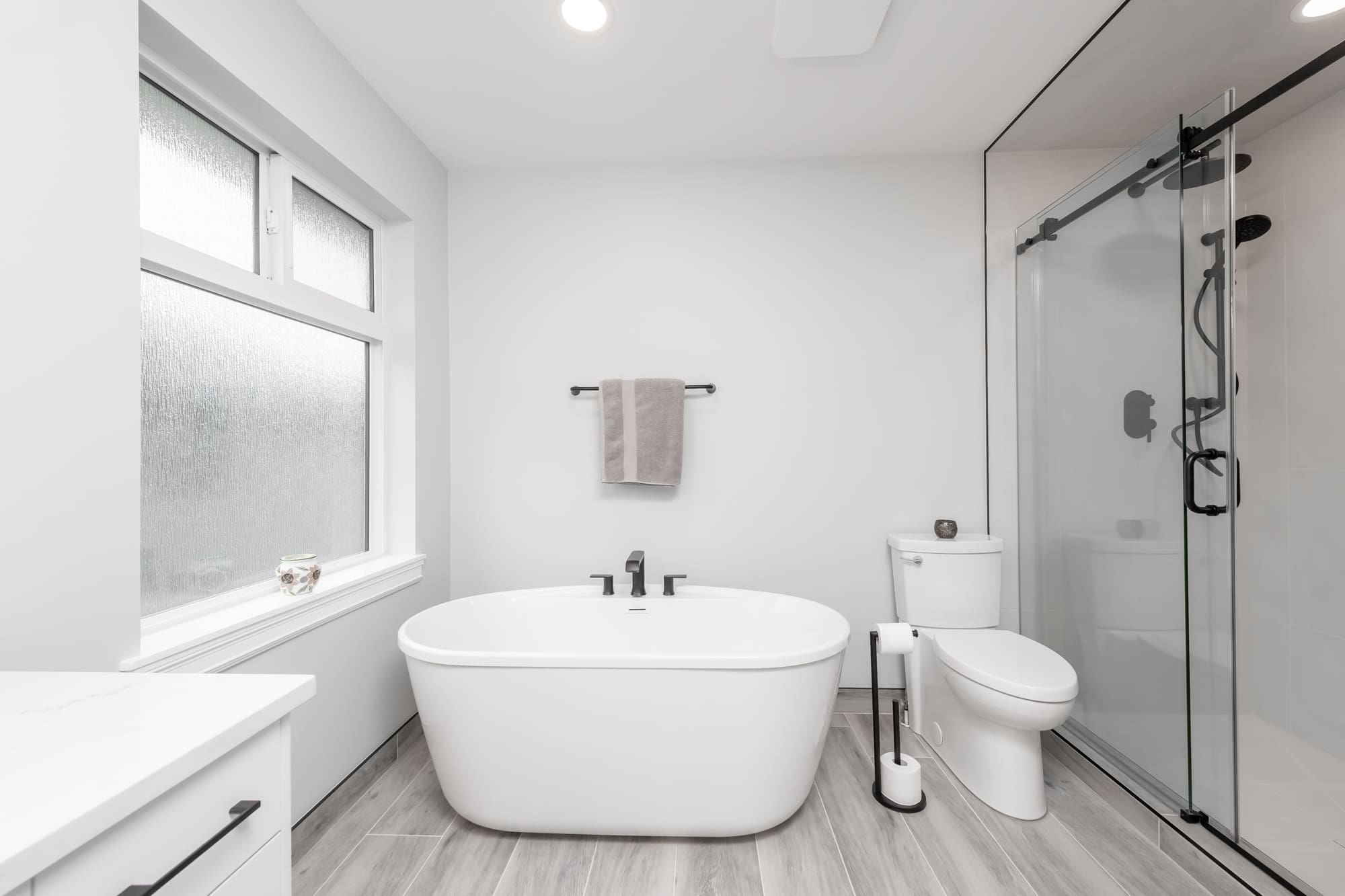
As we grow older, the spaces in our homes need to adapt to meet new priorities: safety, comfort, and independence. Among all the rooms in the house, the bathroom poses the greatest daily challenges for seniors. Wet floors, narrow layouts, and hard-to-reach fixtures can create unnecessary risks. Yet with thoughtful planning and adaptive renovations, bathrooms can become spaces that are both safe and stylish, allowing homeowners to age in place with confidence.
At Master Painting & Renovations, we specialize in accessibility-focused bathroom remodels that combine functionality with elegance. Here's how you can transform your bathroom into a secure, comfortable, and beautiful space designed for the future.
Why Adaptive Bathroom Renovations Matter
The bathroom is the most common site of slips, falls, and injuries in the home for older adults. Renovating this space with accessibility in mind isn't just a matter of convenience—it's about protecting your independence and peace of mind.
An adaptive bathroom remodel can:
- Reduce the risk of slips, trips, and falls.
- Increase comfort and usability for daily routines.
- Add long-term value to your home.
- Allow you to remain in your home safely as your mobility changes.
These updates aren't just about practicality. They also bring reassurance to family members who want their loved ones to feel secure at home.
Key Features of an Adaptive Bathroom
Walk-In or Curbless Showers
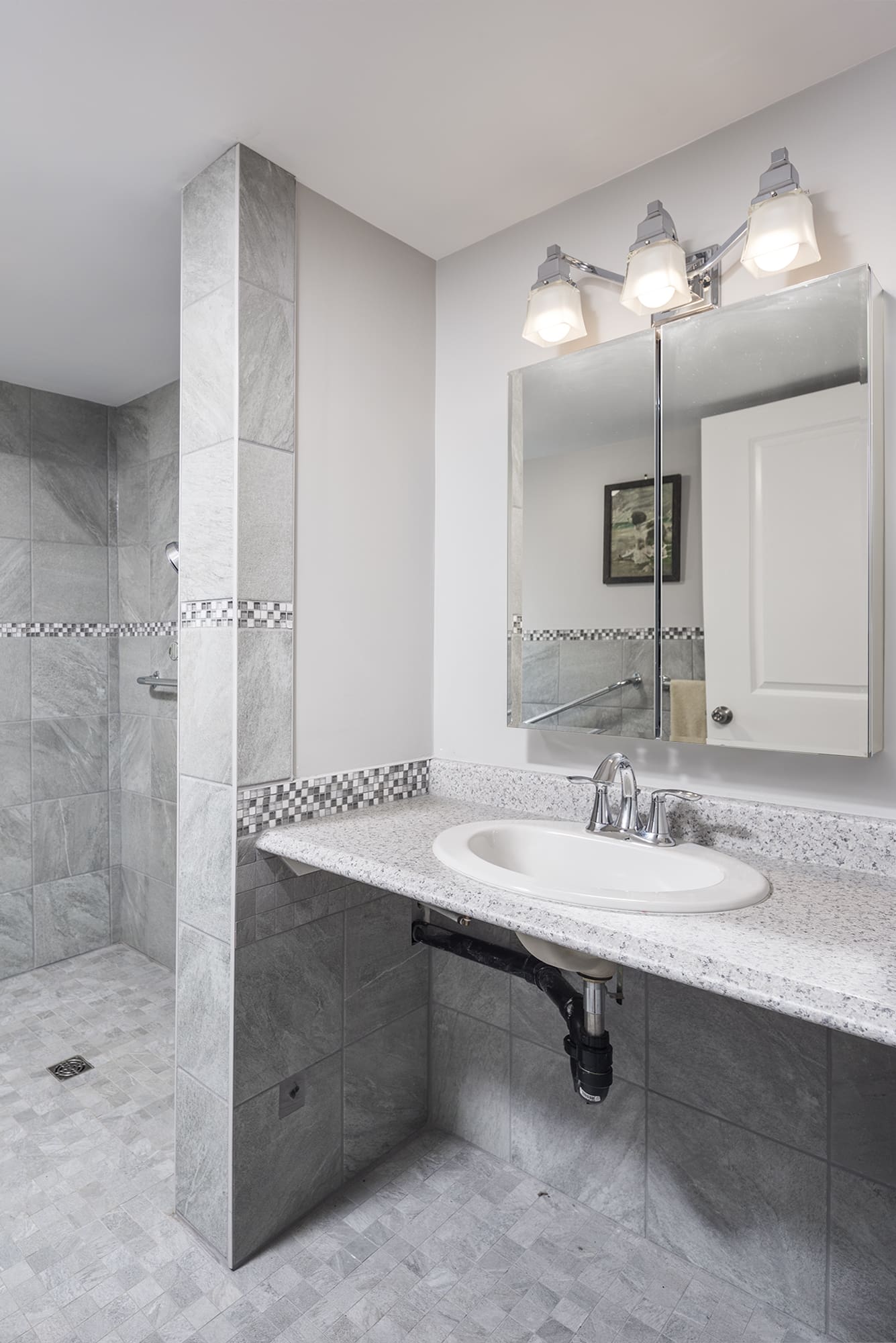
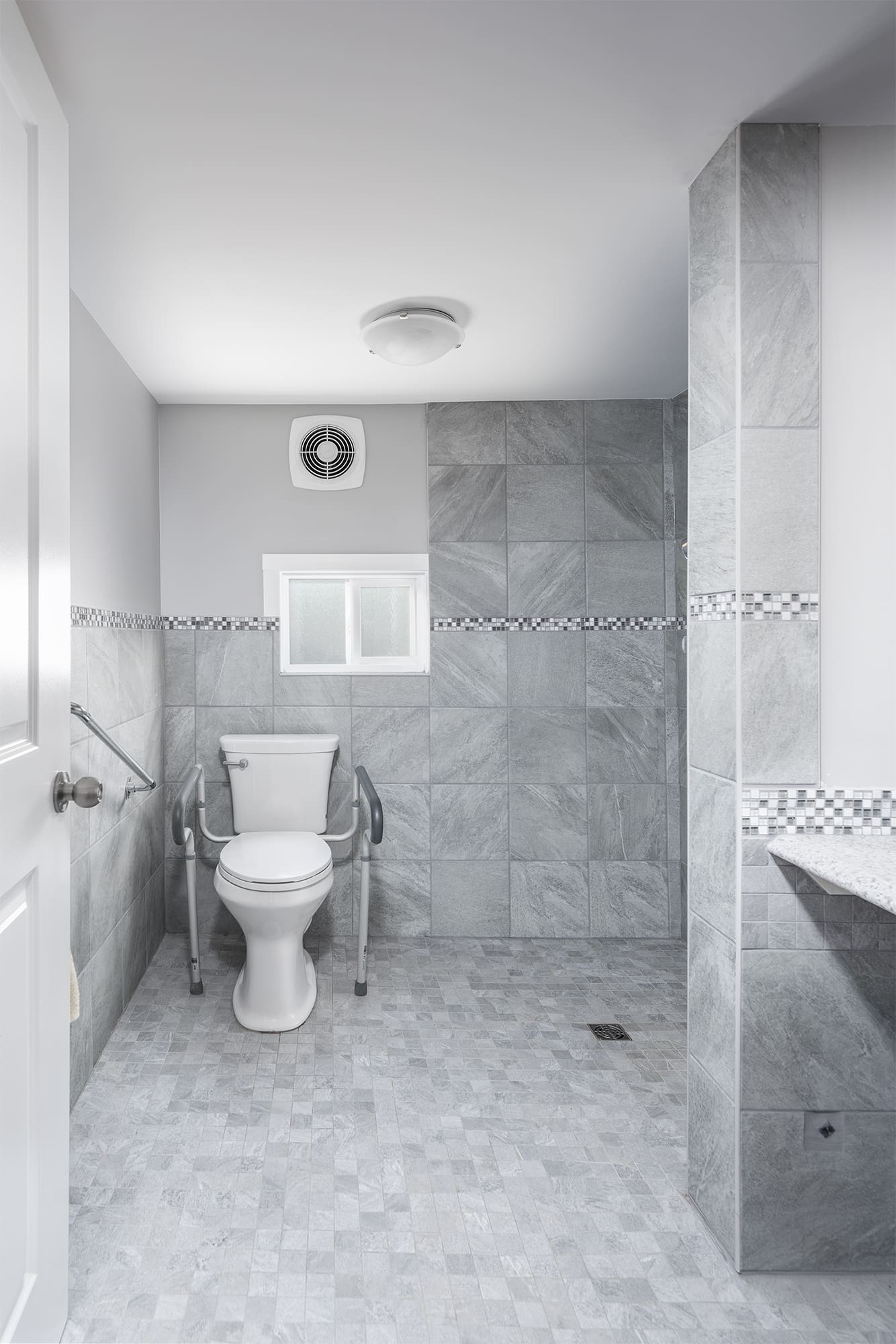
One of the most impactful upgrades for seniors is replacing tubs with curbless, walk-in showers. These eliminate the hazard of stepping over high edges and can be designed with built-in seating, non-slip flooring, and grab bars. Beyond safety, they look sleek and modern, especially when paired with glass enclosures and elegant tiles.
Non-Slip Flooring
Flooring is another essential feature to address. Instead of smooth, slippery tile, adaptive bathrooms use slip-resistant materials like textured ceramic tile, vinyl, or specialty finishes. These surfaces add traction while still offering a wide range of colours and patterns to keep the space inviting and stylish.
Grab Bars and Support Rails
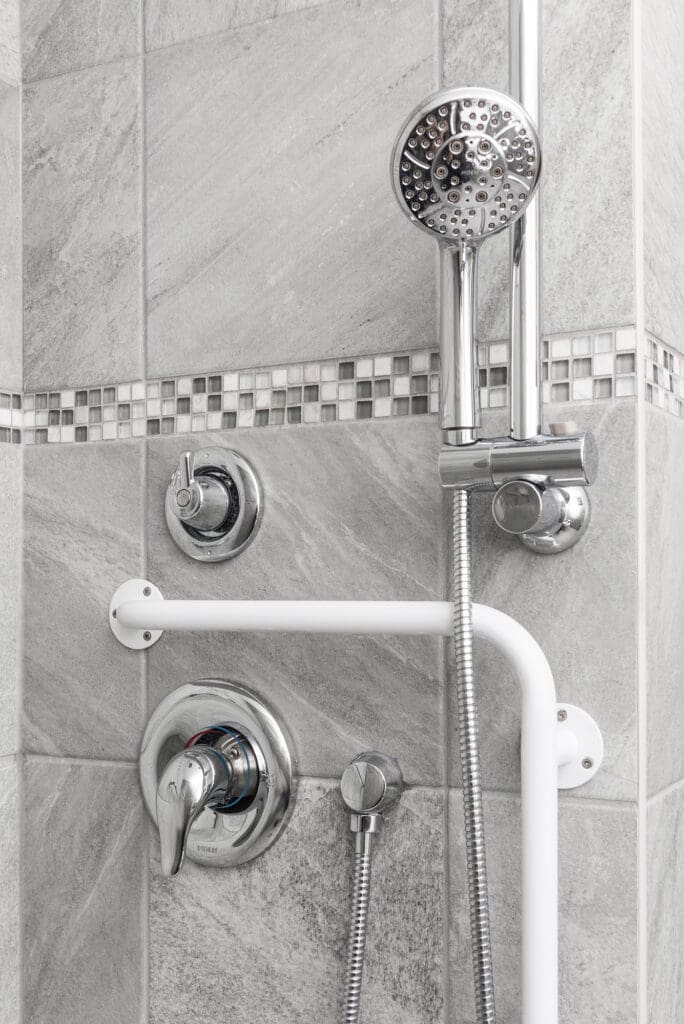
Properly placed grab bars are a simple addition that brings enormous peace of mind. Whether installed beside the toilet, in the shower, or along walls, they provide stability exactly where it's needed. Today's options can be integrated into the design as dual-purpose towel racks or sleek accents, ensuring safety without a hospital-like feel.
Comfort-Height Toilets
Toilets designed a few inches taller than standard models—often called comfort-height or right-height toilets—make sitting down and standing up much easier. This reduces strain on the knees and back while maintaining a traditional appearance that blends naturally into any bathroom style.
Lighting in an adaptive bathroom should be both bright and layered. Combining overhead fixtures with task lighting at mirrors and low-level night lights helps create a space where every corner is visible. Better illumination not only reduces accidents but also makes daily routines easier and more comfortable.
Lever-Style Faucets and Handles
For anyone with arthritis or reduced hand strength, twisting knobs can be frustrating. Lever-style faucets and handles solve that problem while also bringing a modern, clean-lined look to sinks, tubs, and showers.
Ample Space for Movement
Finally, adaptive bathrooms are designed with ease of movement in mind. Widened doorways, thoughtful layouts, and open floor space allow for safe navigation, even with mobility aids like walkers or wheelchairs. These design considerations ensure the bathroom remains functional well into the future.
Balancing Safety and Style
One of the most common concerns homeowners have is whether an accessible bathroom will look too clinical. The good news is that modern adaptive design focuses on beauty as much as functionality. For example, grab bars can be finished in brushed nickel, matte black, or chrome to match your fixtures, allowing them to blend seamlessly into the design rather than stand out as purely utilitarian.
Curbless showers with frameless glass doors create a sleek, contemporary feel while still offering safety and accessibility. Slip-resistant tiles are available in a wide variety of textures and colours, meaning you don't have to compromise on style when choosing safer flooring.
Even built-in shower benches can be tiled to match the overall design, offering both function and visual appeal. Accessibility no longer means sacrificing aesthetics—you can have both.
Planning Your Bathroom Renovation
A successful adaptive bathroom renovation starts with careful planning. Here are some steps to guide the process:
Step 1: Assess Your Needs
Consider your current mobility and any changes you anticipate in the future. Think about which features would have the greatest impact on your daily routine and safety.
Step 2: Prioritize Safety Features
Focus first on the essentials: non-slip flooring, grab bars, and adequate lighting. These are the foundation of any adaptive bathroom and often the most cost-effective upgrades.
Step 3: Explore Design Options
Work with a contractor who understands both accessibility and design. Look at product samples, visit showrooms, and gather inspiration to ensure your bathroom reflects your personal style.
Step 4: Work with Certified Professionals
Hiring a contractor with experience in adaptive renovations ensures the job is done correctly and safely. Look for Red Seal certification and a portfolio of accessibility-focused projects.
Step 5: Budget and Financing
Set a realistic budget and explore financing options if needed. Some grants and programs may be available for accessibility upgrades, particularly for seniors and individuals with disabilities.
Step 6: Consider Phased Renovations
If your budget is limited, consider a phased approach. Start with the most critical safety features and add additional upgrades over time as resources allow.
Step 7: Plan for the Future
Even if you don't need every feature now, consider installing blocking in walls for future grab bars or designing the layout to accommodate a wheelchair if needed later.
Cost Considerations
Adaptive bathroom renovations vary widely depending on the size of the space, the age of the home, and the level of customization. Simple upgrades such as adding grab bars, switching to lever-style faucets, and improving lighting may cost only a few hundred to a couple thousand dollars. Mid-range projects, such as installing a comfort-height toilet or replacing flooring with slip-resistant options, typically cost $3,000 to $7,000.
More extensive renovations, such as installing a curbless walk-in shower with built-in seating or widening doorways, can cost $10,000 to $20,000 or more. A complete remodel that includes layout changes, plumbing adjustments, and custom cabinetry may exceed $25,000, depending on finishes and fixtures chosen.
It's important to view these costs as a long-term investment. An adaptive bathroom can reduce the risk of injury, delay or eliminate the need for assisted living, and add value to your home. Many homeowners find that phased renovations—starting with essentials and adding features over time—make the process more manageable financially.
The Personal Impact of an Adaptive Bathroom
Beyond safety and convenience, an adaptive bathroom renovation can have a profound emotional impact. For many seniors, the bathroom represents a private space where independence is deeply felt. Struggling with daily tasks in this room can lead to frustration, embarrassment, and even isolation.
An accessible bathroom restores confidence and dignity. It allows individuals to maintain their routines without relying on others for help. For family members and caregivers, it brings peace of mind knowing their loved ones are safer and more comfortable at home.
Stories from homeowners often highlight how these renovations have transformed their daily lives—not just practically, but emotionally. The ability to shower safely, move freely, and manage personal care independently can make a world of difference.
Conclusion
Adaptive bathroom renovations are about more than just fixtures and finishes—they are about protecting independence and dignity while creating a space you'll enjoy using every day. By focusing on safety, comfort, and style, you can transform your bathroom into a room that truly supports aging in place.
Master Painting & Renovations brings Red Seal certification, trusted craftsmanship, and a community-driven approach to every project. Together, we'll design a bathroom that fits your needs today and tomorrow.