Selecting the perfect exterior paint colours for your home is a significant decision that can dramatically enhance curb appeal and reflect your personal style.
With a myriad of options available, it can be overwhelming to decide on the right palette. This guide will help you confidently navigate the process, ensuring your home stands out for all the right reasons.
Consider Your Home's Architectural Style
The architectural style of your home should be the starting point for choosing exterior paint colours. Different styles often lend themselves to specific colour palettes:
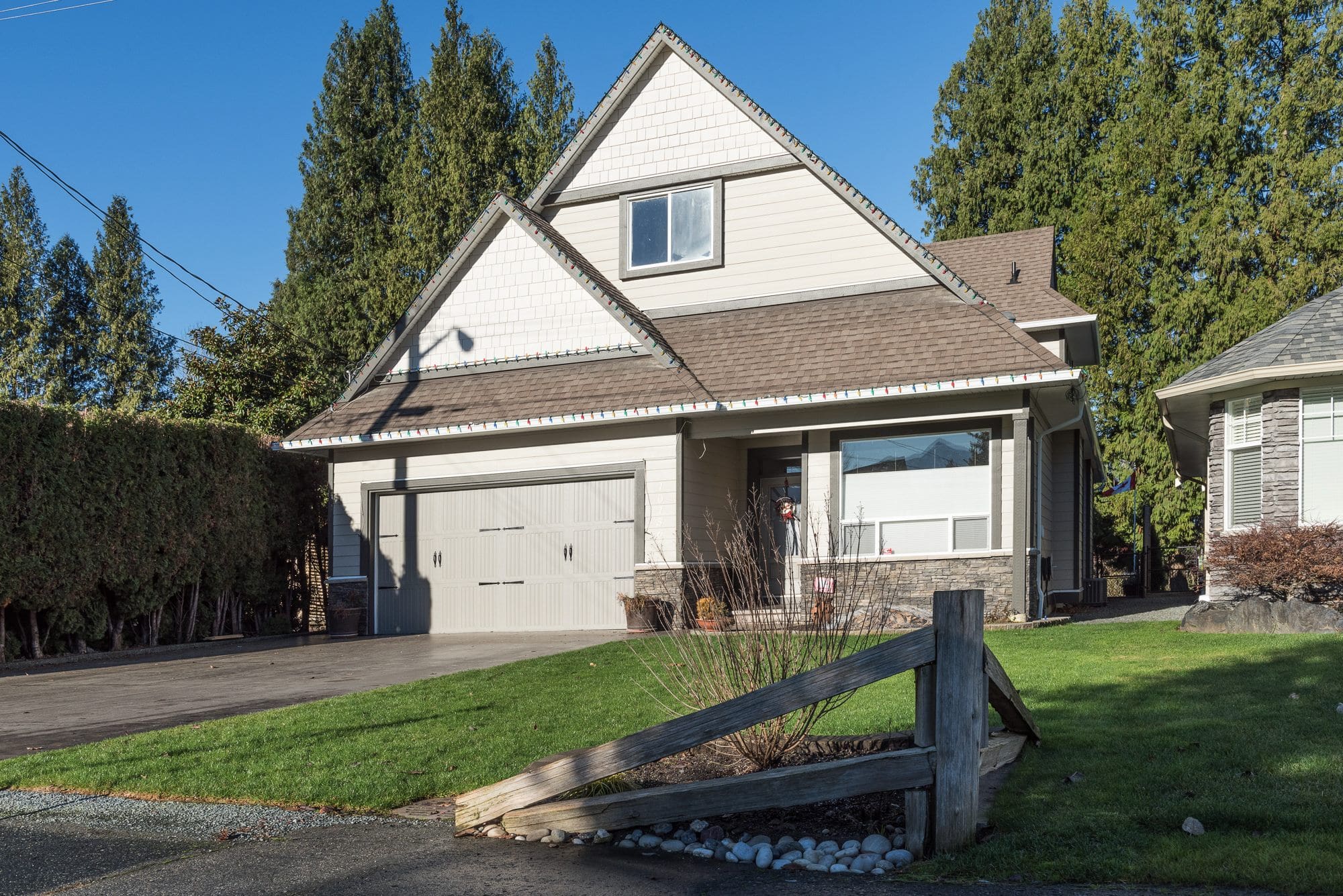
- Traditional homes often look great with classic colours like white, beige, or muted tones.
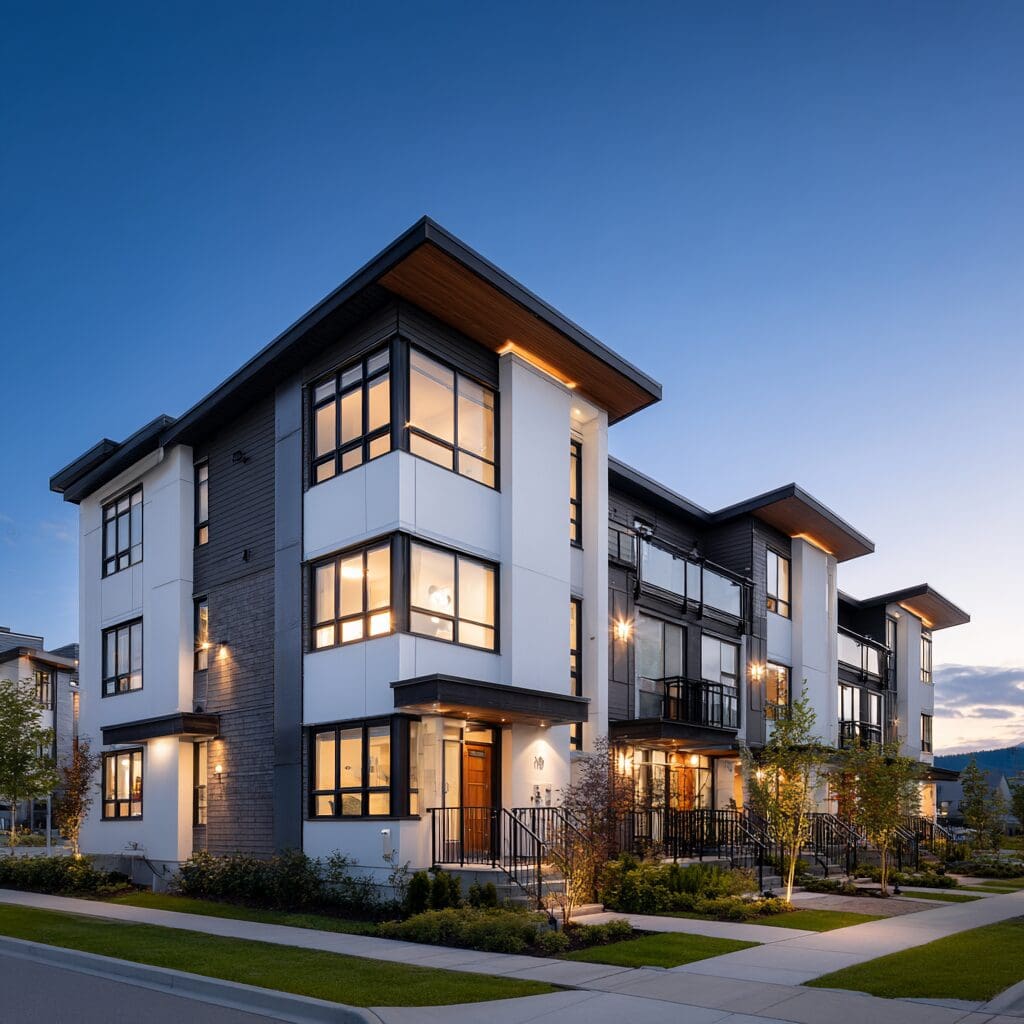
- Modern or contemporary homes can handle bolder colours and sharp contrasts, such as charcoal grey, black, or vibrant hues.
- Cottage or Victorian-style homes can embrace a mix of pastel colours or a more whimsical palette.
Using colours that complement your home's architecture will enhance its natural beauty and charm.
Account for the Landscape and Surroundings
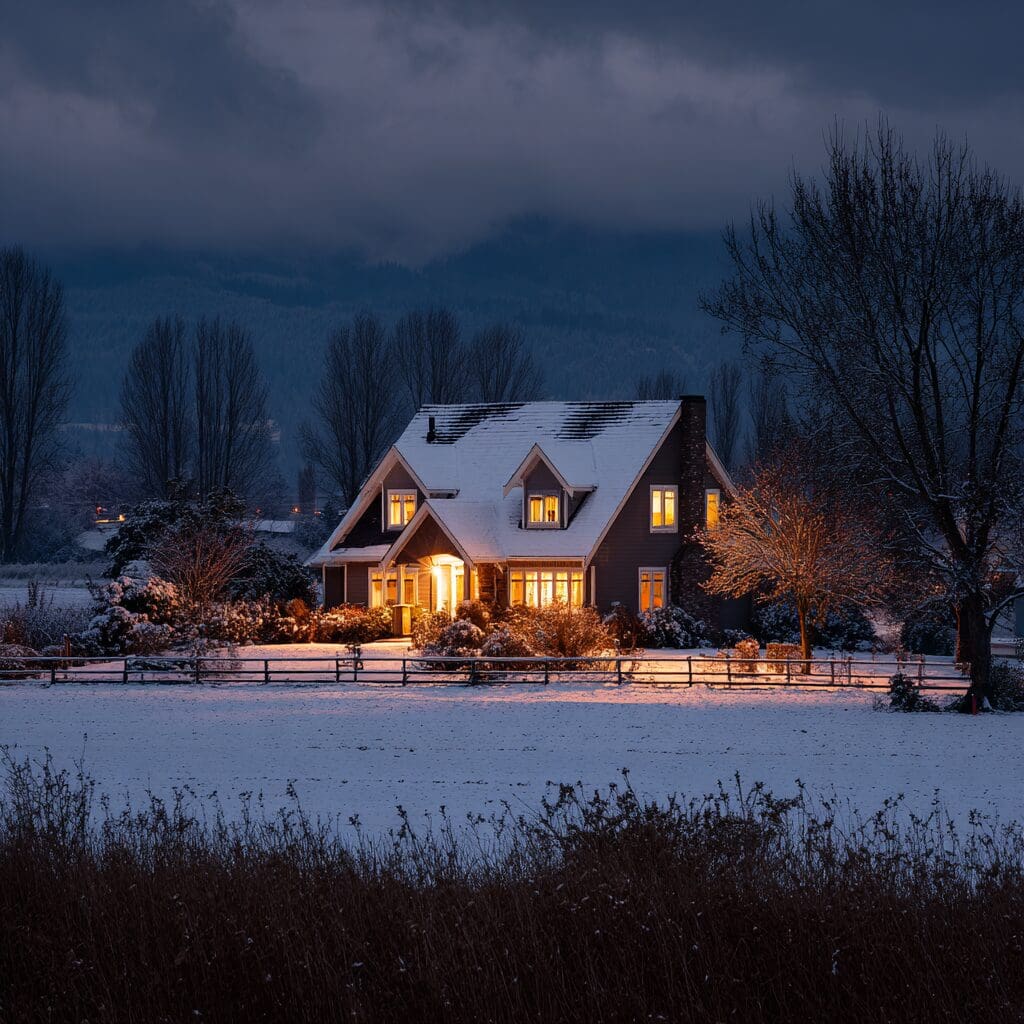
Your home's surroundings play a crucial role in colour selection. Consider the natural landscape, neighbouring homes, and the overall environment. A harmonious colour scheme that blends with the landscape can create a cohesive look.
Understand Color Undertones
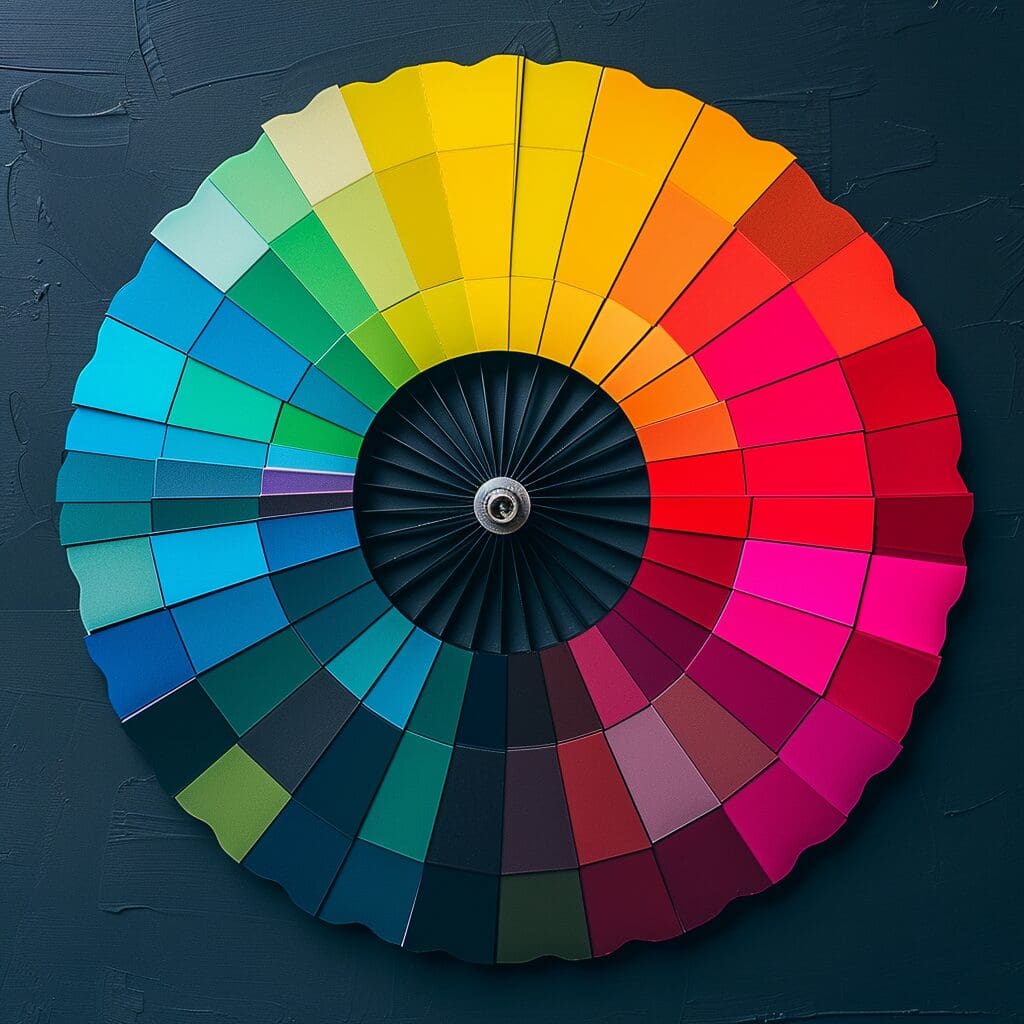
Even neutral colours have undertones that can significantly affect the final appearance. For example, a beige paint may have pink, yellow, or green undertones. Test paint samples to see how these undertones interact with natural light and your home's fixed elements like roofing, brick, or stonework.
Use the Rule of Threes
A popular approach in exterior home design is the "rule of threes," which involves using three distinct colours:
- Primary colour: This is the dominant colour covering the largest area of your home, like the walls.
- Secondary colour: This is used for trim and other architectural features, providing contrast and highlighting details.
- Accent colour: Applied to doors, shutters, and other smaller elements, the accent colour adds personality and interest.
Consider the Roof Color
The colour of your roof is a permanent fixture and should complement your exterior paint choices. A lighter body colour can create an appealing contrast if you have a dark roof, while a lighter roof might pair well with darker siding.
Test Paint Samples
Before committing to a colour, test several samples on different parts of your home. Paint can look different in varying lights, so observe the colours at different times of the day. Testing helps you see how the colours interact with each other and with your home's fixed elements.
Think About Longevity and Maintenance
Certain colours and finishes require more maintenance than others. Lighter colours can show dirt and stains more easily but can also keep your home cooler by reflecting sunlight. Darker colours may fade faster but can give your home a more substantial, grounded look.
Consult with a Professional
If you're uncertain about your choices or want a second opinion, consulting with a professional can be invaluable. A colour consultant or experienced painter can provide insights into trends, durability, and what works best with your home's style and setting.
Choosing the right exterior paint colours is more than just a cosmetic update; it's an investment in your home's overall appeal and value. With careful planning and a touch of creativity, you can achieve a stunning transformation you'll enjoy for years.