
Paint is one of the most versatile tools in interior design, capable of transforming a room from simple to stunning. When applied thoughtfully, paint can draw attention to unique architectural features, adding depth, contrast, and character.
If you have beautiful details like moulding, trim, built-ins, or wainscoting that are going unnoticed, paint might be all you need to turn them into focal points. Here's how to use paint to highlight architectural features and take your space from dull to dynamic.
Accent Trim and Moulding
Trim and moulding are often overlooked but can significantly enhance a room's overall aesthetic. Instead of blending these elements into the wall colour, try painting them in contrasting shades to make them stand out. Consider classic white or cream for trim against darker walls for a timeless, elegant look. Alternatively, dark trim on light walls adds drama and sophistication, making the room feel bold and well-defined.
Experiment with different finishes as well. Glossy finishes on the trim will reflect light, making the trim more noticeable and adding subtle sophistication. This is especially effective on crown moulding or chair rails, where the gloss will highlight their unique shapes and edges.
Frame Doors and Windows with Colour
Doors and windows are natural architectural features that can take on a whole new personality with a little paint. While most doors and window frames are painted to match the wall, using a different colour will frame these elements, giving them emphasis. Try painting doors in an unexpected hue, like navy, charcoal, or even a bold yellow, to add character and visual interest to a space.
Consider painting the trim around doors and windows in the same shade or a slightly lighter or darker variation for a cohesive look. This approach helps anchor these elements within the room, creating a stylish outline that draws the eye without overpowering other design aspects.
Use Contrast to Highlight Built-In Shelves
Built-in shelves are practical and beautiful, but they can sometimes fade into the background. To make them pop, try painting the back wall of the shelves in a contrasting colour to the surrounding room. This trick creates visual depth and adds an instant focal point, showcasing the items displayed on the shelves.
For example, if the walls are light, a deep charcoal or navy on the back of the shelves will add sophistication and drama. If you prefer a softer contrast, go for a shade that complements the room's palette while still standing out enough to create definition.
Emphasize Wainscoting and Panelling
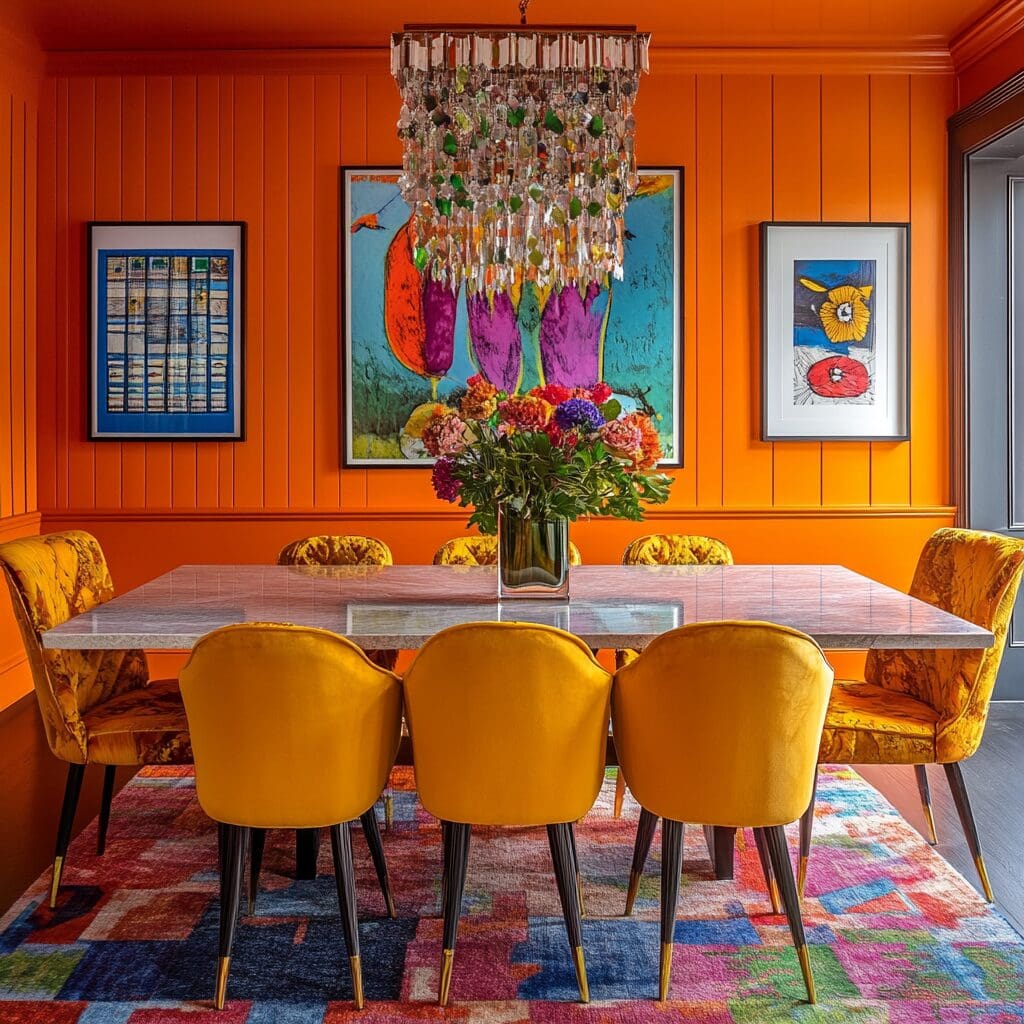
Wainscoting and panelling add texture and dimension to walls, but they can sometimes be lost if painted the same colour as the rest of the room. Paint these features a different shade than the upper wall to make them stand out. Classic combinations include white or cream wainscoting paired with a coloured upper wall, but you can also reverse this for a modern twist—dark wainscoting against a lighter wall.
For a bold look, try a monochromatic approach by using two tones of the same colour, with the darker shade on the wainscoting. This adds depth without creating too much contrast, perfect for those who want a dynamic look that still feels cohesive.
Draw Attention to Fireplaces and Mantels
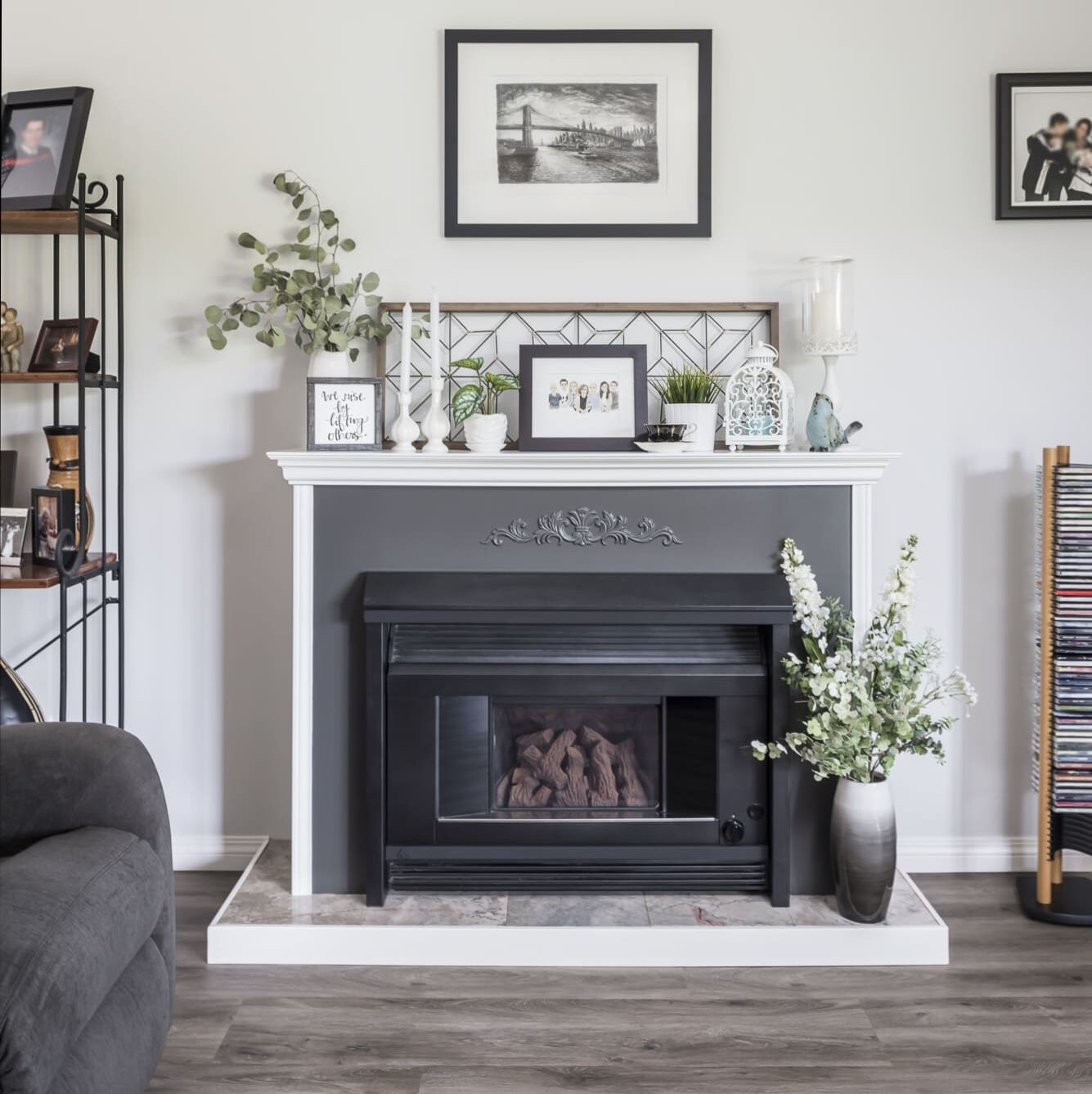
Fireplaces are natural focal points, but painting them can turn them into true statement pieces. For a timeless look, paint the mantel and fireplace surround in a colour contrasting with the walls, creating a clear, stylish boundary around the fireplace. Deep colours like dark gray or rich blue are popular choices, especially against lighter walls, lending warmth and sophistication to the space.
If your mantel has intricate details, consider using a high-gloss or satin finish to draw attention to these textures, allowing the paint to emphasize the craftsmanship. You can even use a different colour for the fireplace's inner surround to add an extra layer of contrast.
Play with Ceilings for Unexpected Impact
Ceilings are often painted white by default, but they offer a great opportunity to add drama to a room. A painted ceiling can highlight architectural features like beams, coffered details, or crown moulding, making the room feel custom-designed and complete. Darker shades on the ceiling can create an intimate, cozy effect, while light, reflective colours like pale blue or lavender add height and openness.
If you have decorative ceiling mouldings, consider painting them in a slightly different tone from the rest of the ceiling to draw attention to these details subtly.
Final Thoughts
When used thoughtfully, paint has the power to emphasize and enhance architectural features, turning plain rooms into beautiful, dynamic spaces. By choosing the right colours, finishes, and application techniques, you can draw attention to moulding, trim, built-ins, fireplaces, and more—bringing out the unique character of your home. These small updates with paint will give your space a custom feel and ensure that every architectural detail shines.