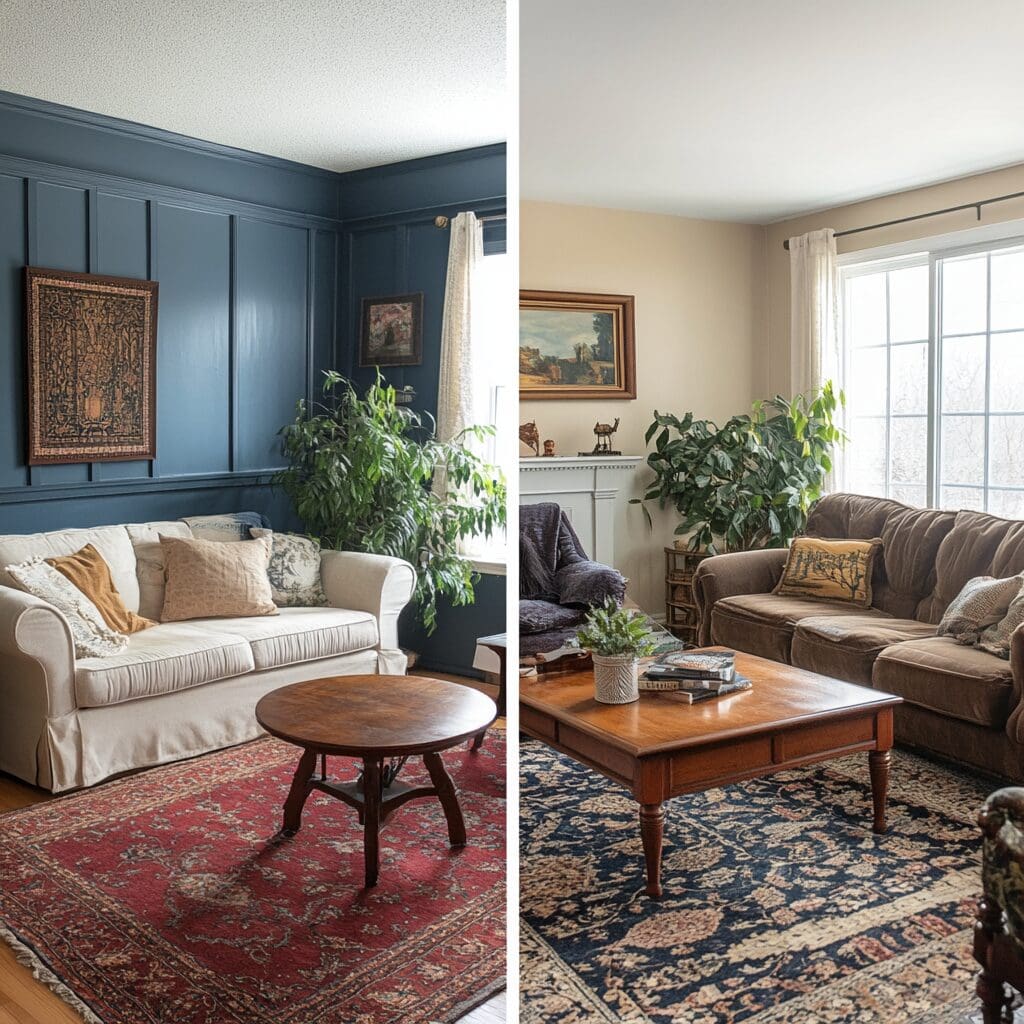

Small renovations can bring a big boost to your home's style, function, and value. From refreshing a bathroom to updating the kitchen, these projects can transform spaces without demanding large budgets or lengthy timelines.
The real question often comes down to this: Should you take on the project yourself or bring in a professional designer? This guide breaks down key steps and factors to help you decide whether to go the DIY route or hire a designer for your small renovation.
Step 1: Define Your Goals and Vision
The first step to any successful renovation is defining your goals. Think about what you want to achieve and how much design expertise is required.
- Make a Vision Board: Collect inspiration from magazines, websites, or apps, and identify a clear look and feel for the project. This helps whether you're DIYing or working with a designer, as it gives a foundation for selecting materials and finishes.
- Determine Must-Haves: Make a list of non-negotiables for the renovation. For DIY, consider your skill set and tools to see if you can achieve those priorities. With a designer, bring these must-haves to the table so they understand your vision.
Step 2: Set a Realistic Budget
Budgeting is a crucial factor in deciding between DIY and hiring a designer. Small renovations may seem straightforward, but unexpected costs can arise, so setting aside a realistic amount is essential.
- Estimate Costs by Project Type: Different projects come with unique expenses. For example, a kitchen update might require new fixtures and cabinetry, whereas a bathroom refresh may demand durable, moisture-resistant materials. DIY can save on labour costs, but professional guidance can prevent costly mistakes if your project requires high-end finishes or custom elements.
- Factor in Hidden Expenses: Account for the possibility of hidden repairs. A designer can often foresee costs related to structure or installation, while a DIYer might not be aware of these potential issues until mid-project.
Step 3: Consider DIY vs. Designer
Deciding between DIY and a designer comes down to the complexity of the project, the skills required, and your personal time commitment. Let's break down some pros and cons for each approach:
- DIY Projects: Ideal for more straightforward updates like painting, minor fixture swaps, or straightforward shelving. These are manageable with basic tools and often don't require specialized knowledge. DIY is usually more affordable, but the risk lies in making sure your skills match the project.
- Designer-Driven Projects: Working with a designer is beneficial for projects with intricate design elements or custom work, such as lighting plans, tile patterns, or material selection. A designer has the expertise to foresee potential issues, advise on layout, and recommend high-quality, durable materials.
Step 4: Choose the Right Materials and Finishes
Selecting materials is a significant decision in any renovation. A designer can guide you toward high-quality, cohesive selections, whereas DIYers often face the challenge of balancing budget constraints with aesthetic goals.
- Balancing Quality with Budget: For DIY, you might want to explore cost-effective materials like engineered wood or laminate, which offer a high-end look without a designer price tag. A designer, on the other hand, can help you find unique options and know when to invest in premium materials for a lasting result.
- Prioritize Key Features: In a bathroom or kitchen renovation, focus on choosing high-quality items for high-traffic areas. Designers have access to trade-only options and insider knowledge about material durability and maintenance.
Step 5: Create a Realistic Timeline
Time is often a deciding factor between DIY and hiring a designer. DIY renovations generally take longer, especially if you're balancing the project with a busy schedule. Designers, however, can streamline processes and manage time more effectively.
Step 6: Communicate Clearly
When you decide to work with a designer, clear and regular communication is vital for a successful partnership. Even with a DIY project, communicating effectively with any hired trades is essential.
Final Thoughts
Choosing between DIY and designer for small renovations depends on your project's complexity, your budget, and your vision. DIY can be a rewarding way to personalize a space while saving money, but a designer can bring a polished, cohesive look that maximizes both style and functionality.
By defining your goals, assessing your skills and time, and planning carefully, you can create a stunning renovation that brings new life to your home.