In British Columbia, creating accessible and age-friendly homes is more than a mere convenience; it's necessary for inclusivity and comfort. With an aging population and a growing awareness of the needs of individuals with disabilities, adaptive renovations are becoming essential.
These changes, grounded in universal design principles, ensure homes are safe, comfortable, and accessible for everyone, regardless of age or mobility.
Understanding Accessibility Needs
An accessible and age-friendly home is designed to be navigable and comfortable for all, including those with mobility challenges. Common challenges include navigating narrow hallways, using traditional bathrooms, climbing stairs, and accessing high cabinets.
The key is to assess the unique needs of the home's occupants before creating an environment that caters to their comfort and safety without compromising on style.
Key Elements of Accessible Home Design
Entrances, Stairs, and Exits
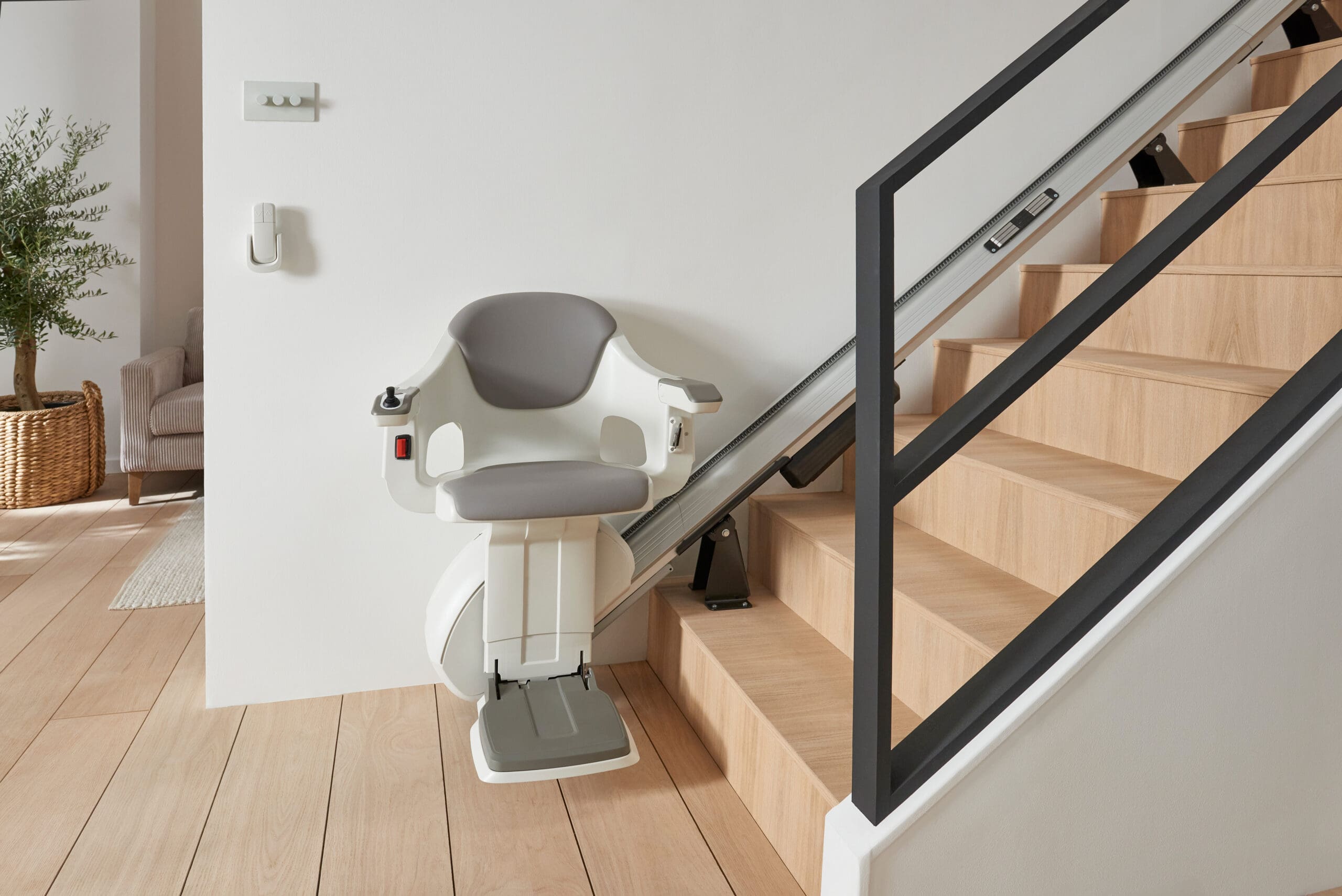
Adapting entrances, stairs, and exits is crucial for accessibility. Consider installing ramps with gentle slopes or stair lifts, and ensure front and back doors are wide enough to accommodate mobility aids. It's also important to have non-slip surfaces and adequate lighting to prevent falls.
Hallways and Interior Doorways
In an accessible home, hallways and doorways should be at least 36" to 48" wide and 80" tall to accommodate wheelchairs and walkers comfortably. Lever-style door handles, which are easier to use than traditional knobs, and sliding doors significantly improve accessibility.
Adapting Key Living Spaces
Bathrooms
Bathrooms require careful consideration. Walk-in showers with no steps, built-in benches, or seats are ideal. Adjustable shower heads and easy-to-reach controls add to easy functionality. Grab bars should be installed in the shower, near the toilet, and beside the bathtub.
Kitchens
The kitchen should be functional for everyone living in your home. Lowering countertops to 34 inches and providing knee space under sinks and cooktops can make a kitchen more wheelchair-friendly. Pull-down shelving and revolving trays in corner cabinets improve storage accessibility.
Integrating Assistive Technologies
Modern technology offers numerous solutions for making homes more accessible:
- Voice-activated systems can control various aspects of the home, from adjusting thermostats to locking doors.
- Automated systems can be used for window coverings, reducing the need to reach or stretch.
- Smart sensors can detect and call an alert in case of falls or other emergencies.
Financial Considerations and Support
Renovating for accessibility can be costly, but various programs in British Columbia can help:
- BC Rebate for Accessible Home Adaptations (BC RAHA) offers financial assistance for low-income households in need of home modifications.
- Home Renovation Tax Credit for Seniors and Persons with Disabilities helps with the cost of home modifications.
FAQs
What are the first steps in making a home more accessible?
Start with assessing the current space and identify areas that pose the most significant challenges. Simple changes like installing grab bars, improving lighting, and removing tripping hazards can be a good start.
How can I make my bathroom safer and more accessible without a complete renovation?
Install grab bars near the toilet and in the shower, use a shower chair, and consider a raised toilet seat. Non-slip mats and better lighting can also enhance safety.